Research
I study how ecosystems cycle carbon, nutrients, and greenhouse gases, and how those cycles respond to rapid environmental change. Across the projects below, I ask which species and communities drive these cycles, how processes that pull in opposite directions balance out, and how what we learn can help manage land and address climate change.

Microbiomes of Living Trees
What lives inside trees, how those communities assemble, and what they do.
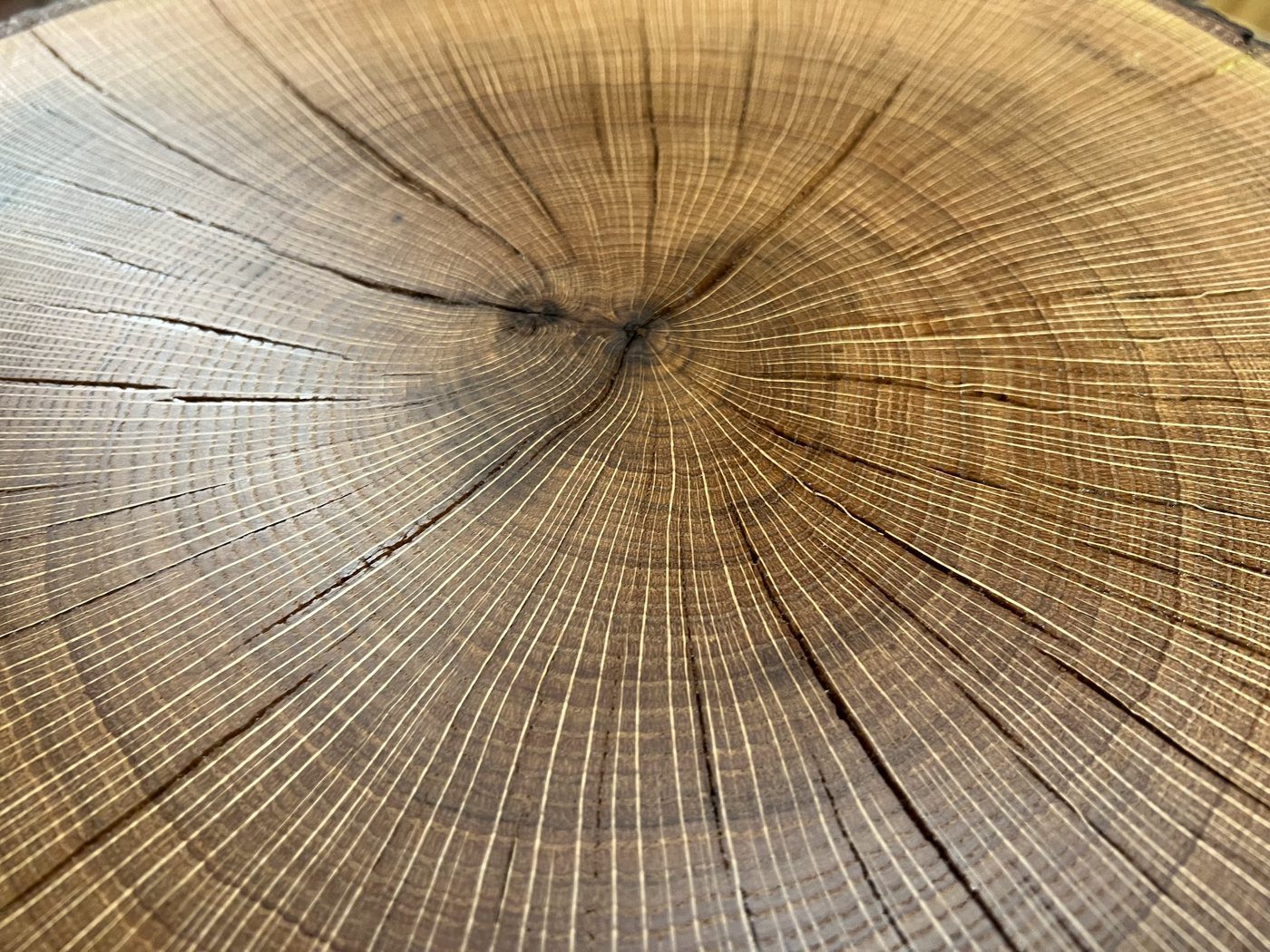
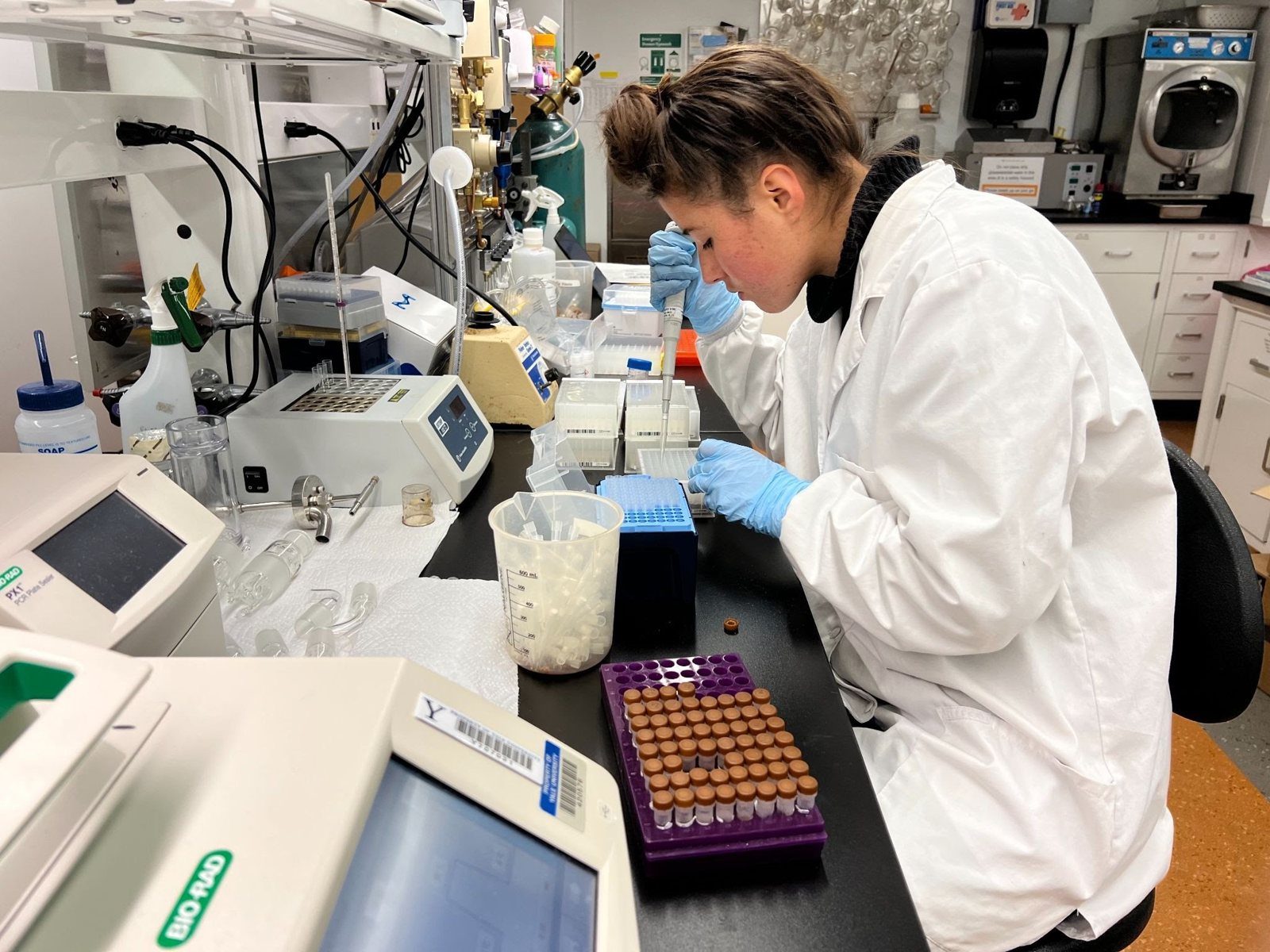
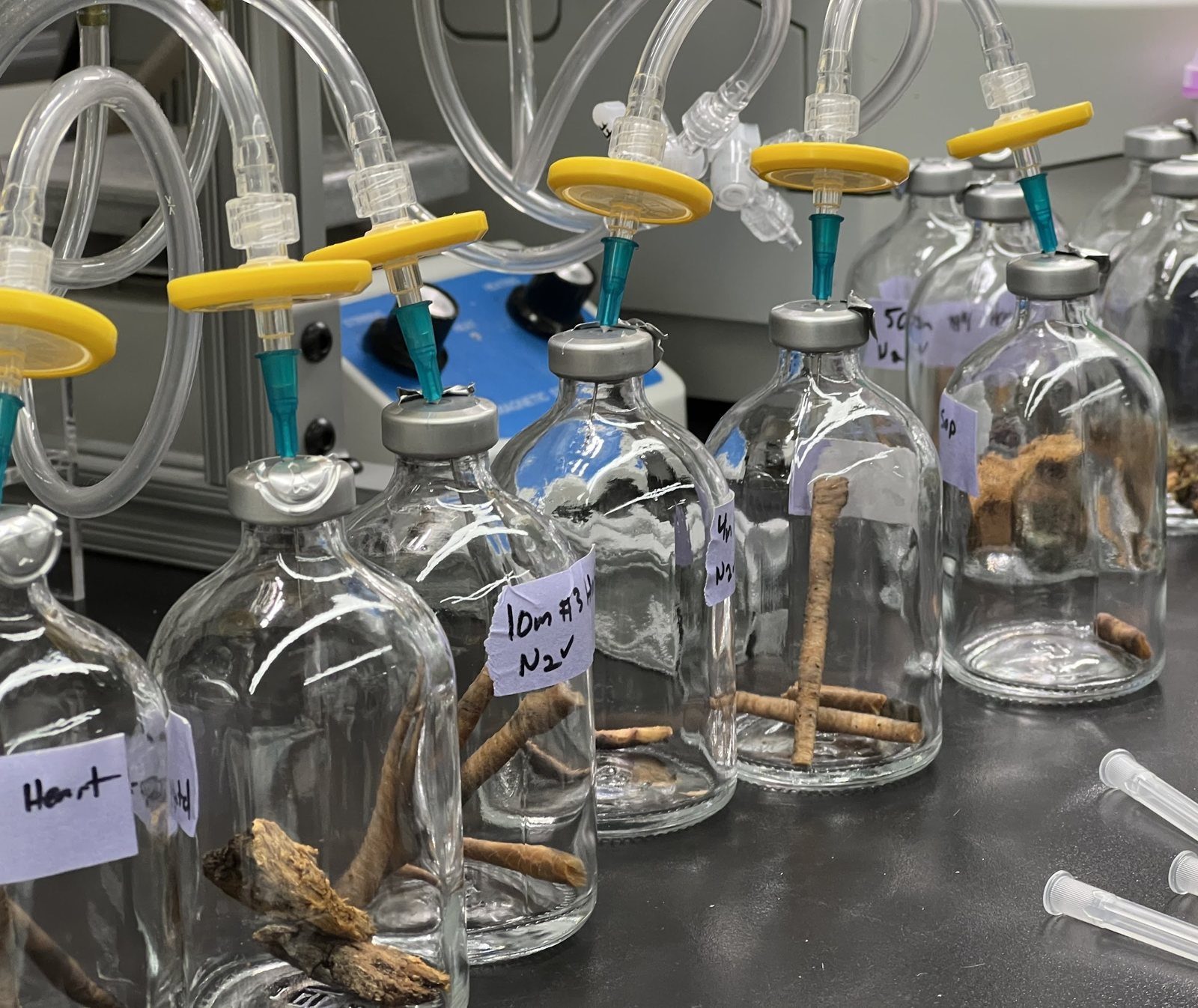
Root and leaf microbiomes have been studied extensively, but until recently very little was known about the microbes living inside trees. I helped develop methods for extracting, sequencing, and quantifying microbial DNA from wood, and used them to characterize bacterial, archaeal, and fungal communities across tissues and species of temperate trees.
A single tree holds roughly a trillion microbial cells in its aboveground wood. Heartwood and sapwood host distinct communities, different from those in soils, leaves, and roots, and consistent within tree species. Anoxic heartwood is enriched in anaerobes, including methane-producing archaea and nitrogen fixers; sapwood and bark host aerobes, including methane oxidizers. We published this work in Nature in 2025; it was covered in Science and the New York Times.
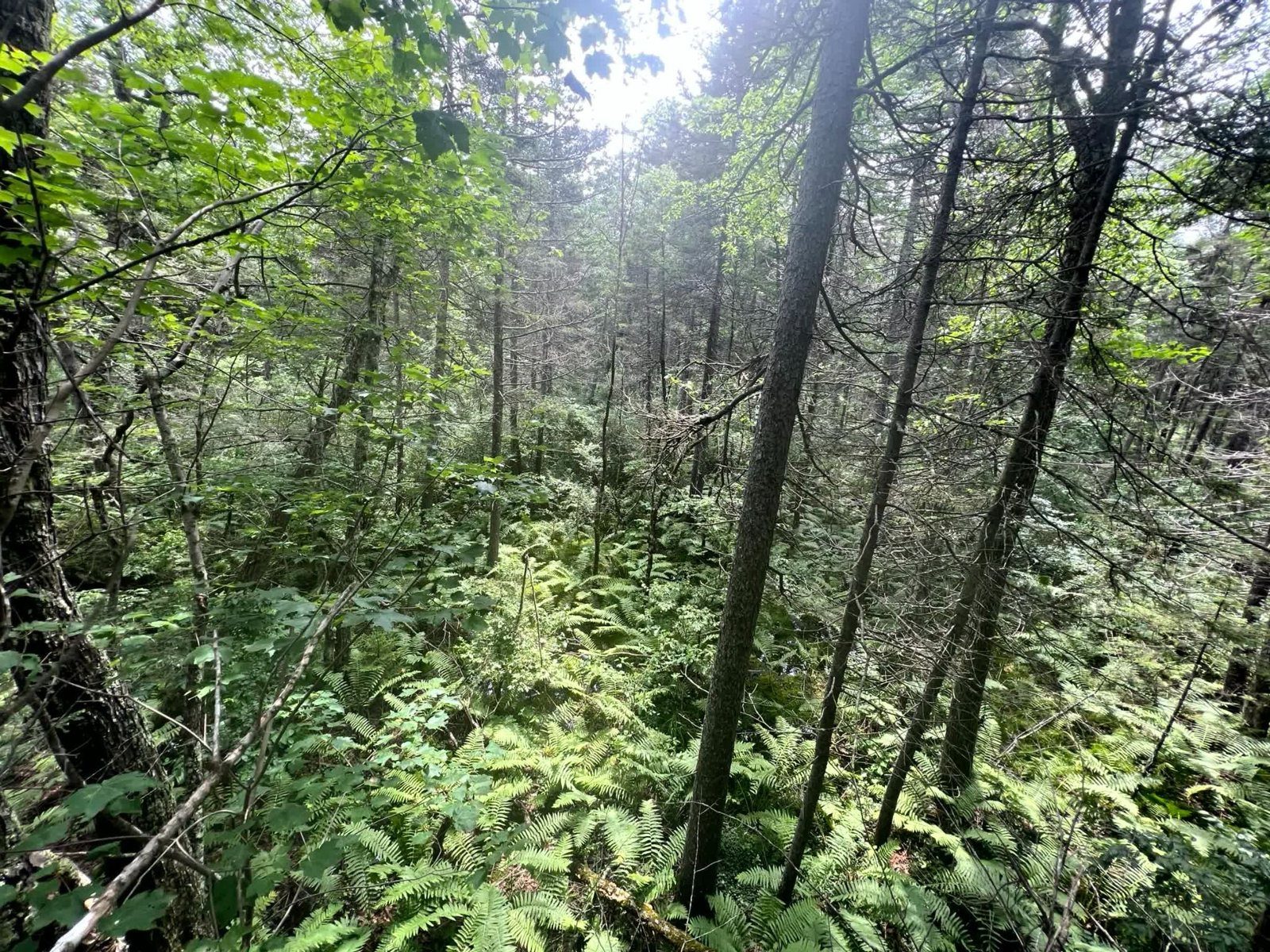
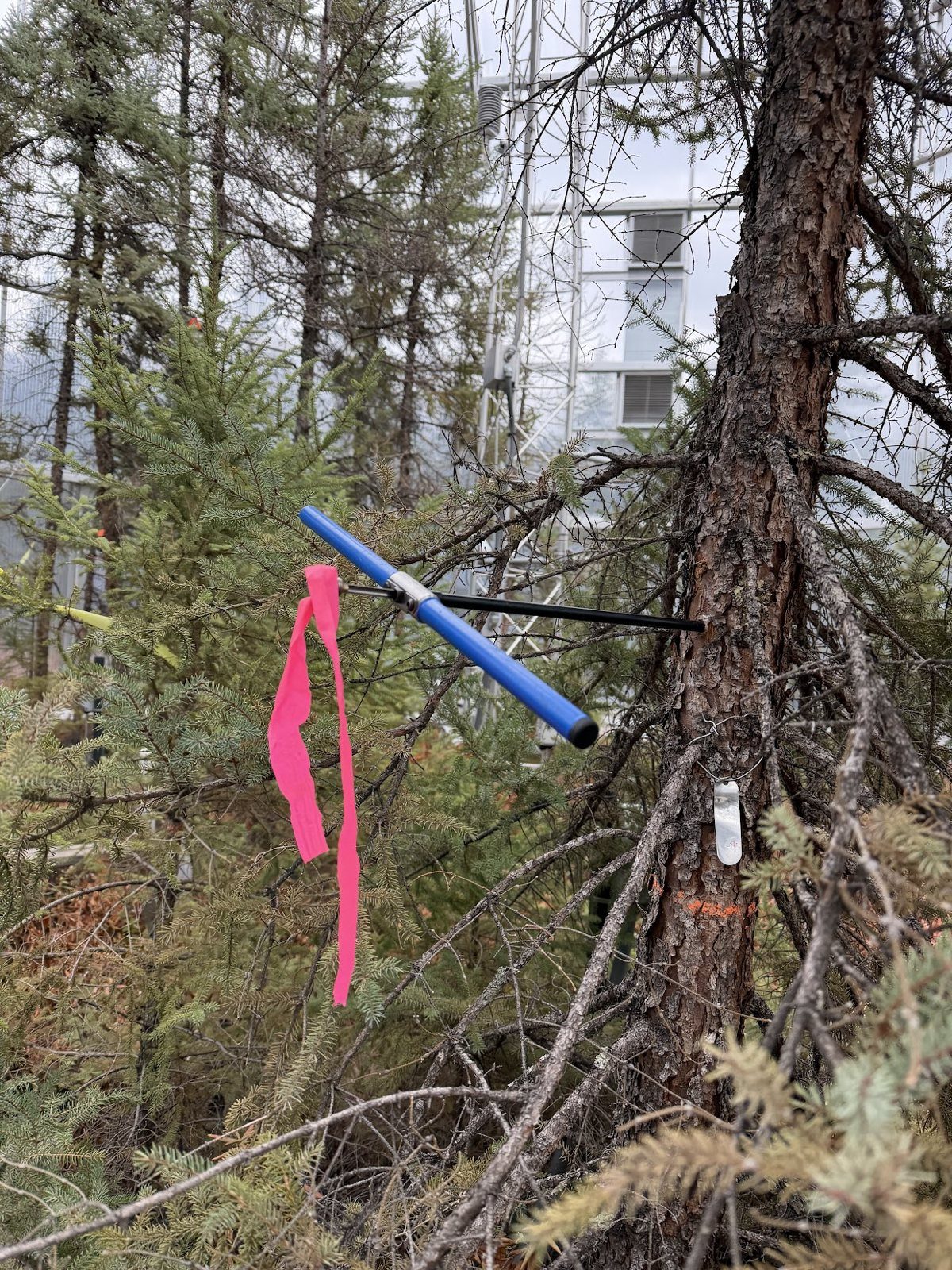
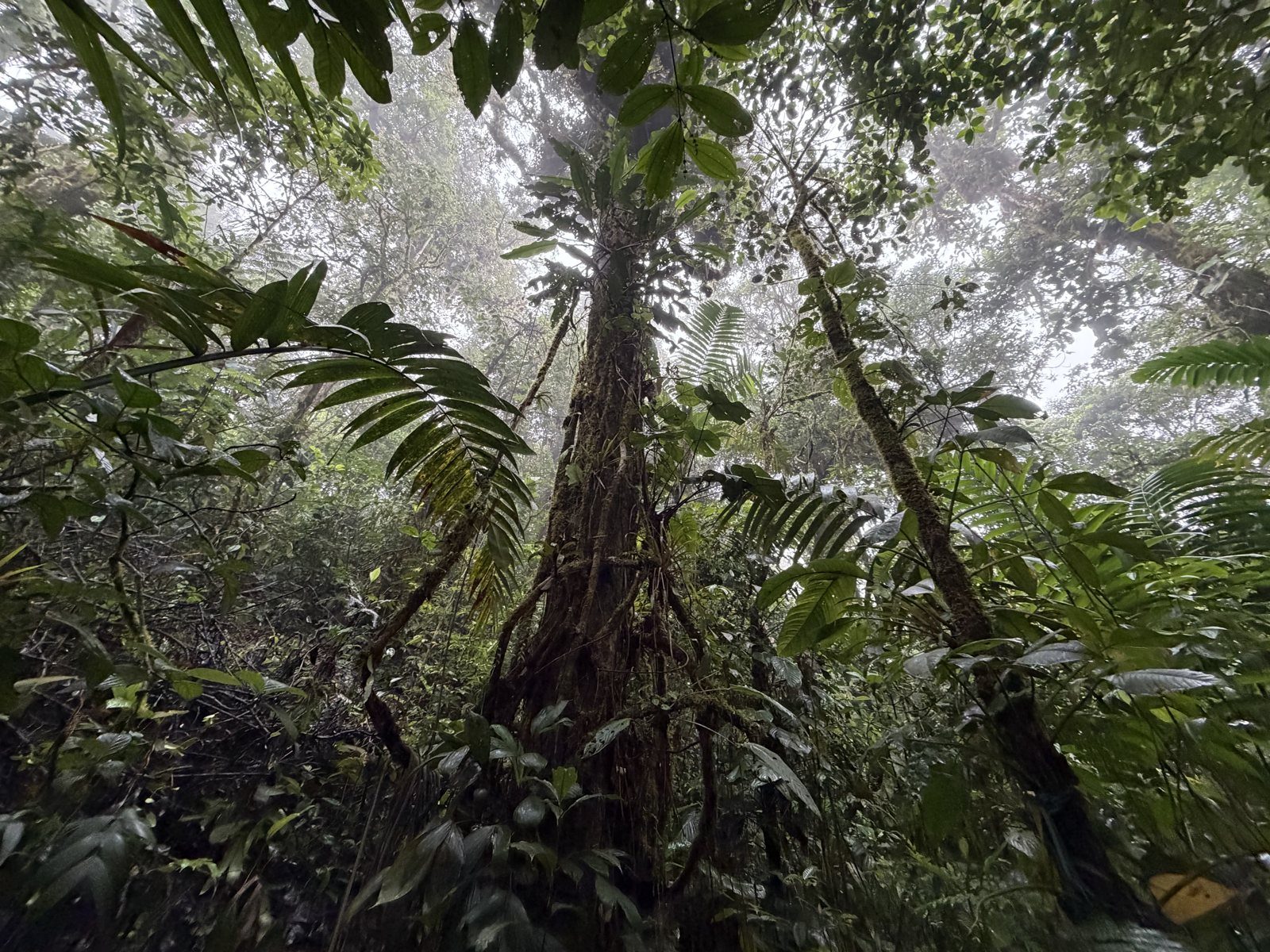
Current work asks how these communities assemble and how they vary among host species, tissues, and environments. I am sampling trees in tropical forests in Panama and Brazil and at the SPRUCE warming experiment in Minnesota to compare with temperate forests. I am also interested in what these microbes do: nitrogen fixation, decay, and the production and consumption of greenhouse gases.

Greenhouse Gas Biogeochemistry
Methane and CO2 exchange from tree stems to whole ecosystems, in forests, wetlands, and farms.
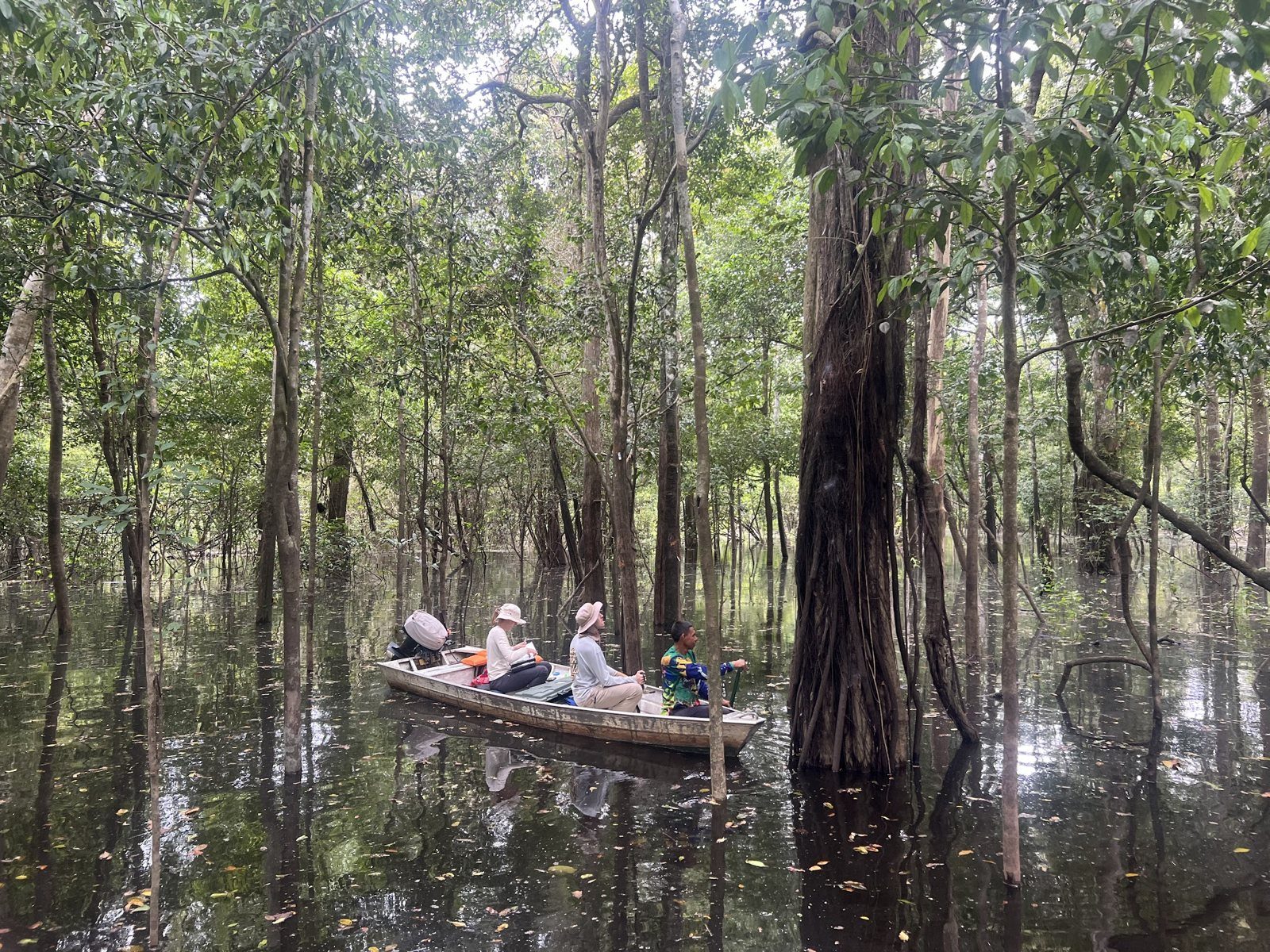
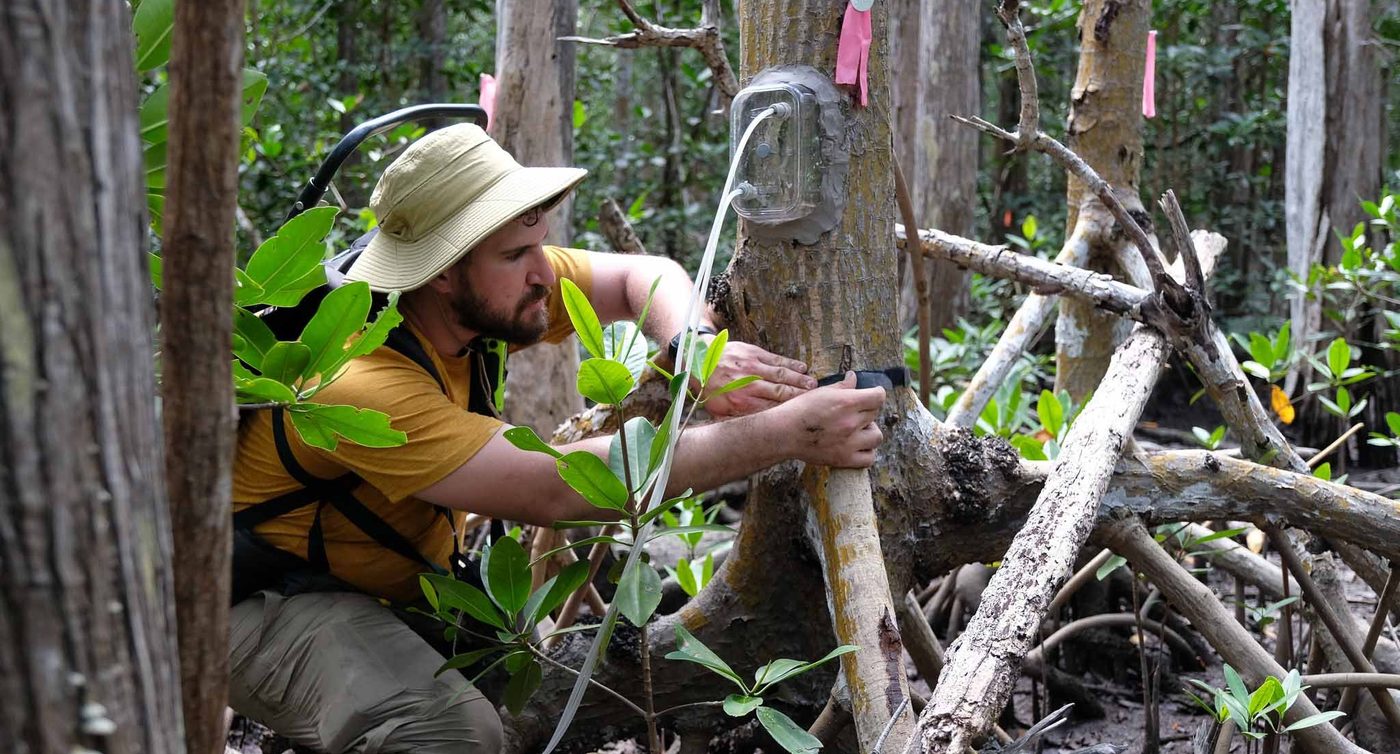
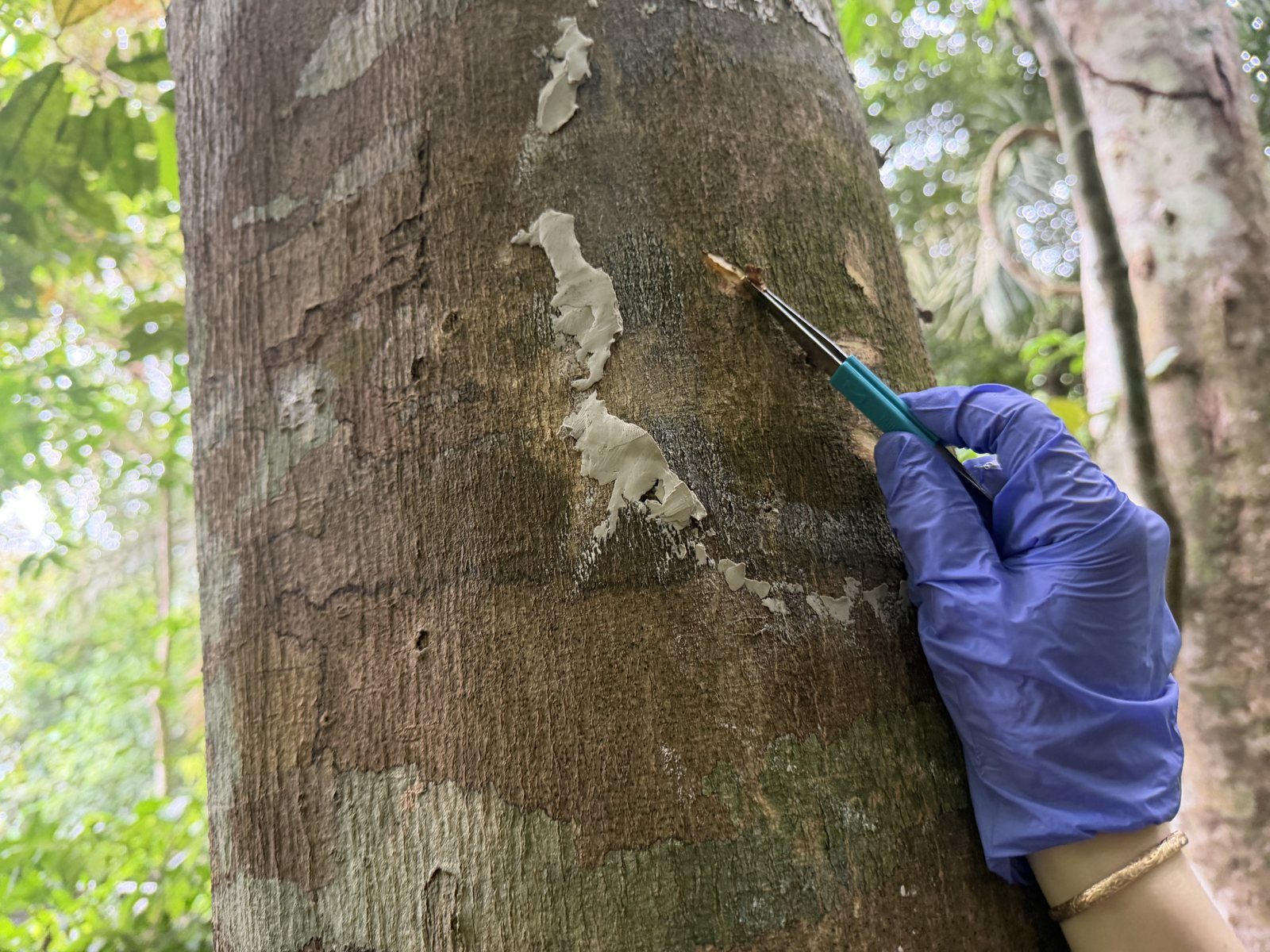
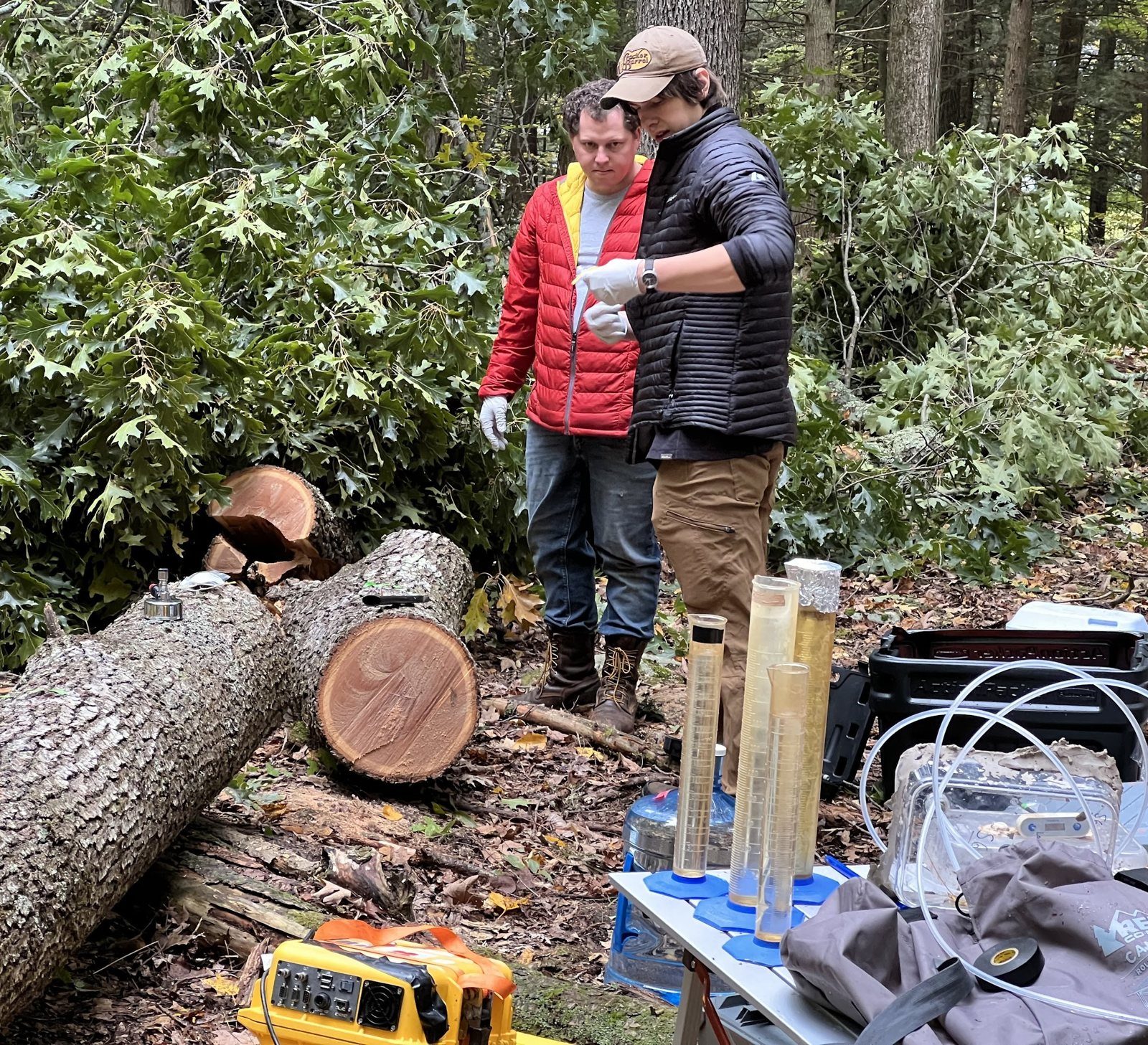
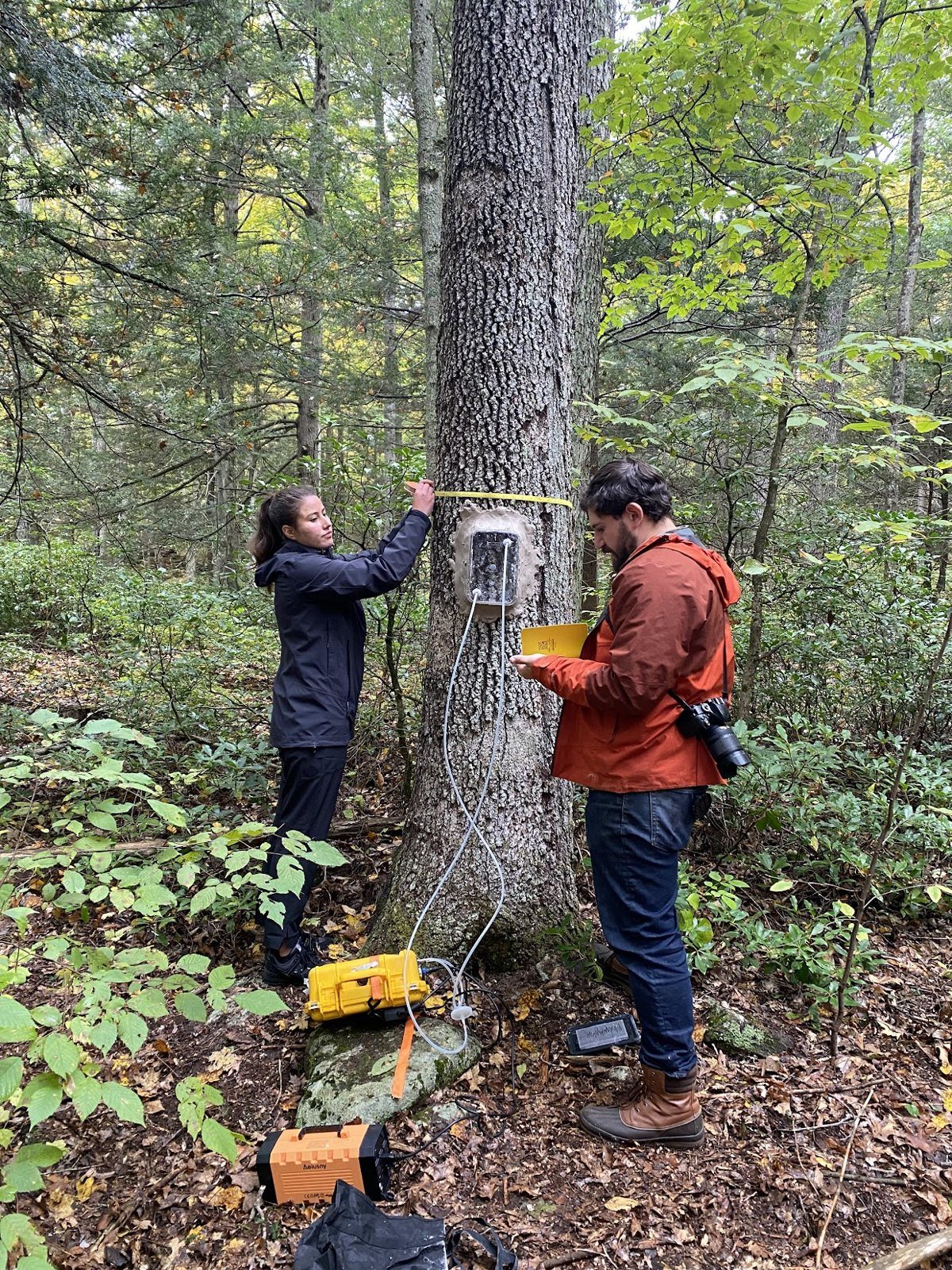
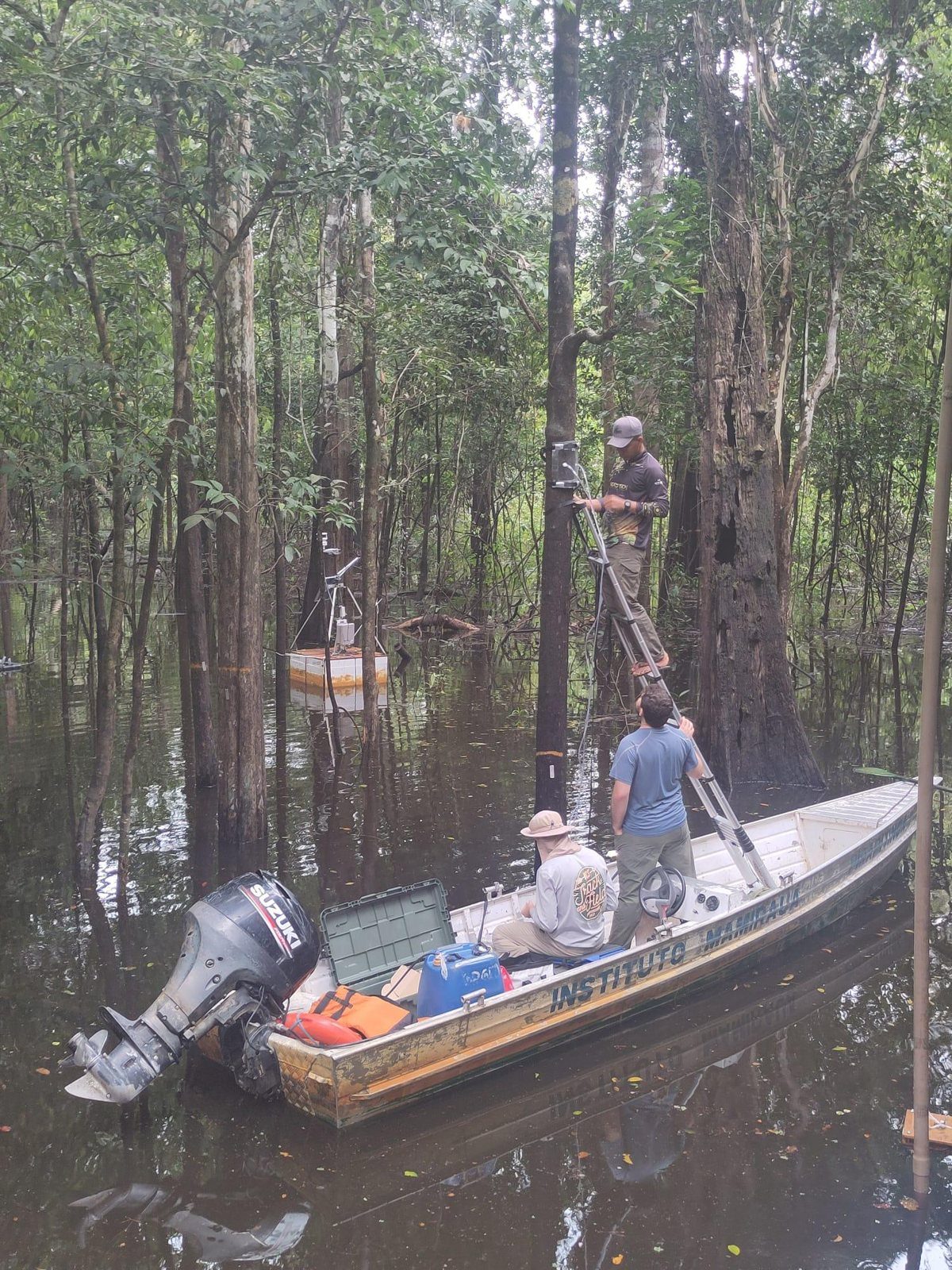
Tree stems are a recently recognized and poorly constrained source and sink of methane. Trees can emit methane produced inside their wood or transported from soils, and can take it up through bark-dwelling microbes. In upland forests of New England, stem emissions partly offset soil uptake, species differ widely, and the balance of methane producers and consumers inside a tree helps explain its net exchange with the atmosphere. At Howland Forest in Maine, stem emissions rise sharply above a soil moisture threshold. I am extending this work to tropical forests, where tree fluxes are largest and least measured, with campaigns at the Mamirauá floodplain forest in Brazil combining stem and canopy measurements with microbial sampling.
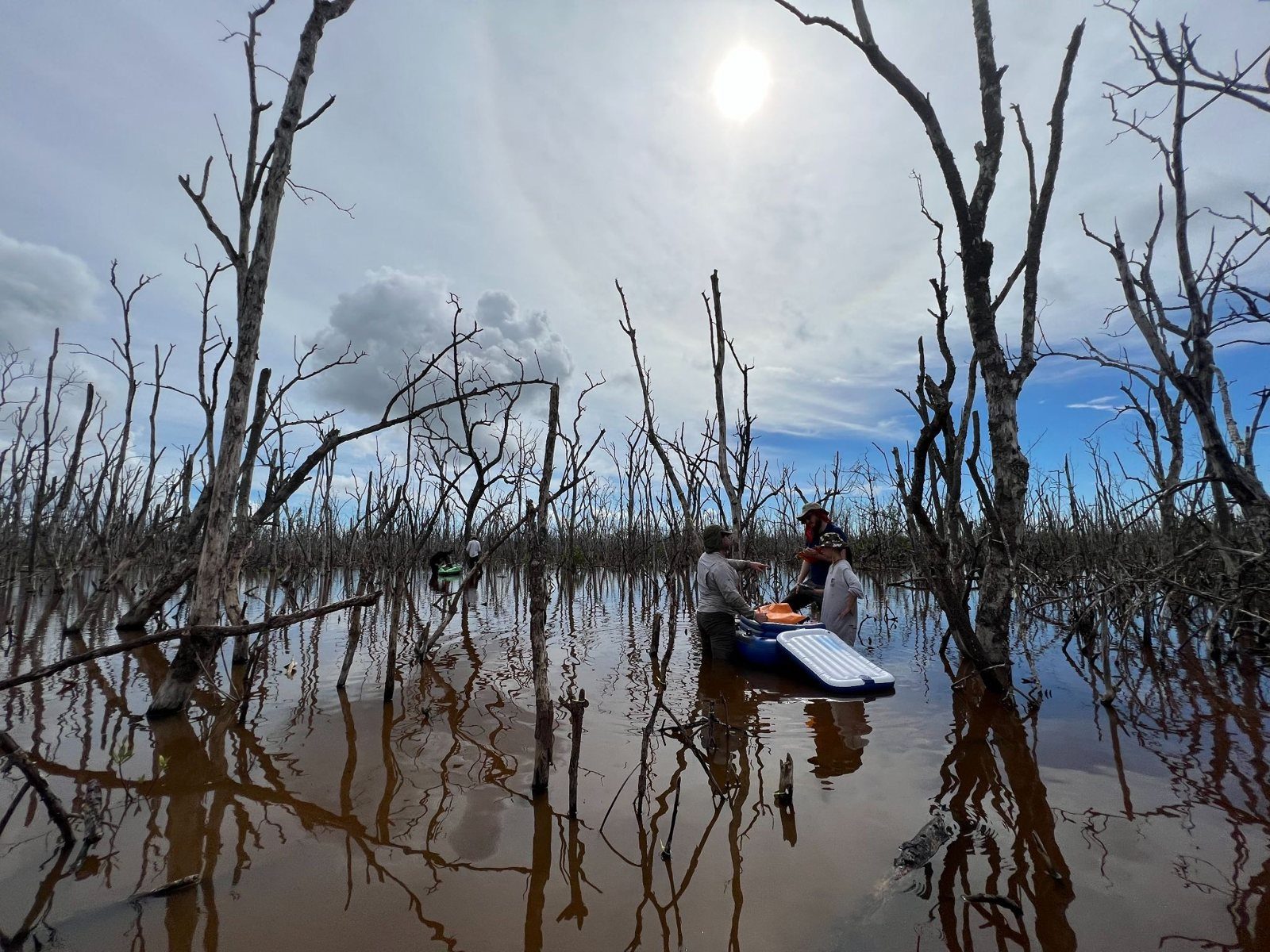
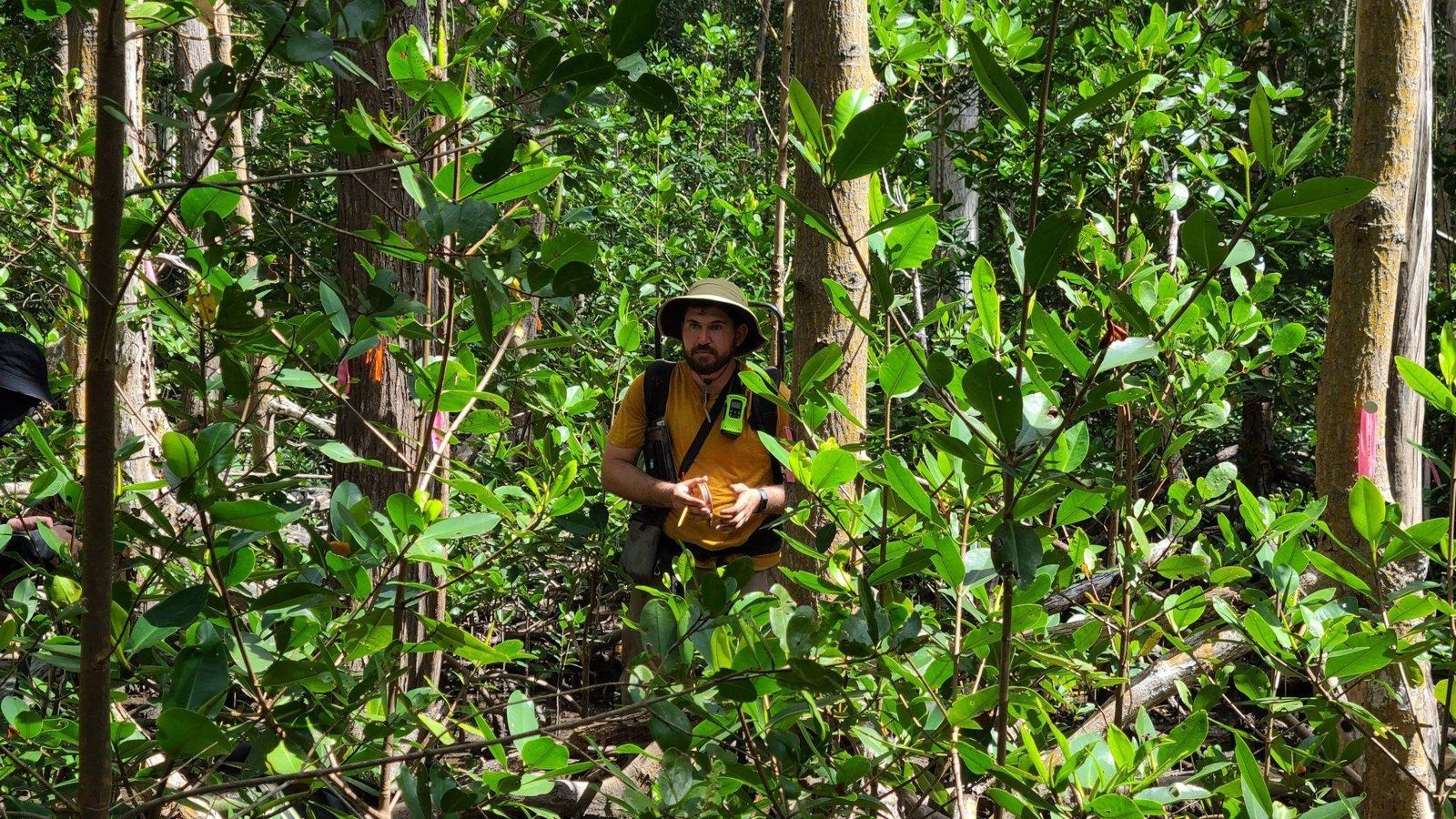
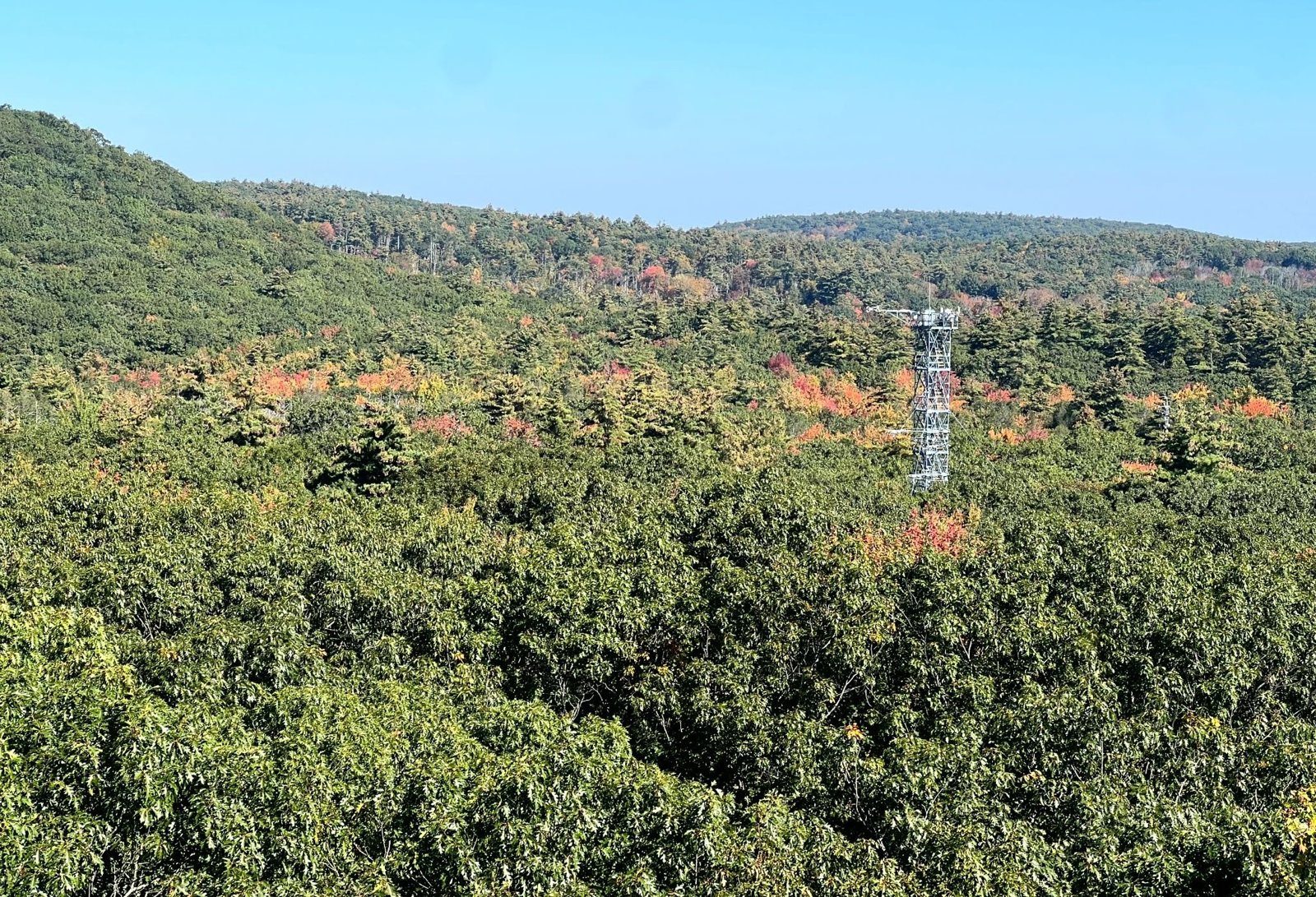
I also study methane and CO2 budgets at the ecosystem scale. At Harvard Forest, I work on small forested wetlands that flood and drain seasonally, where methane production, oxidation, bubbling, and plant transport change with the water table. In the Everglades, as field survey lead for NASA’s BlueFlux campaign, I led measurements from mangrove soils, stems, and surface waters across a gradient from hurricane-killed and hypersaline die-off sites to regenerating stands. These data support regional assessments of how water management and climate change affect wetland greenhouse gas fluxes.
In agricultural systems, I measure greenhouse gas fluxes from soils, manure, and compost under conventional and regenerative management, with Hudson Carbon and Churchtown Dairy.

Forest & Ecosystem Ecology
Decay and disease in trees, woody surface area, and how forests respond to disturbance.
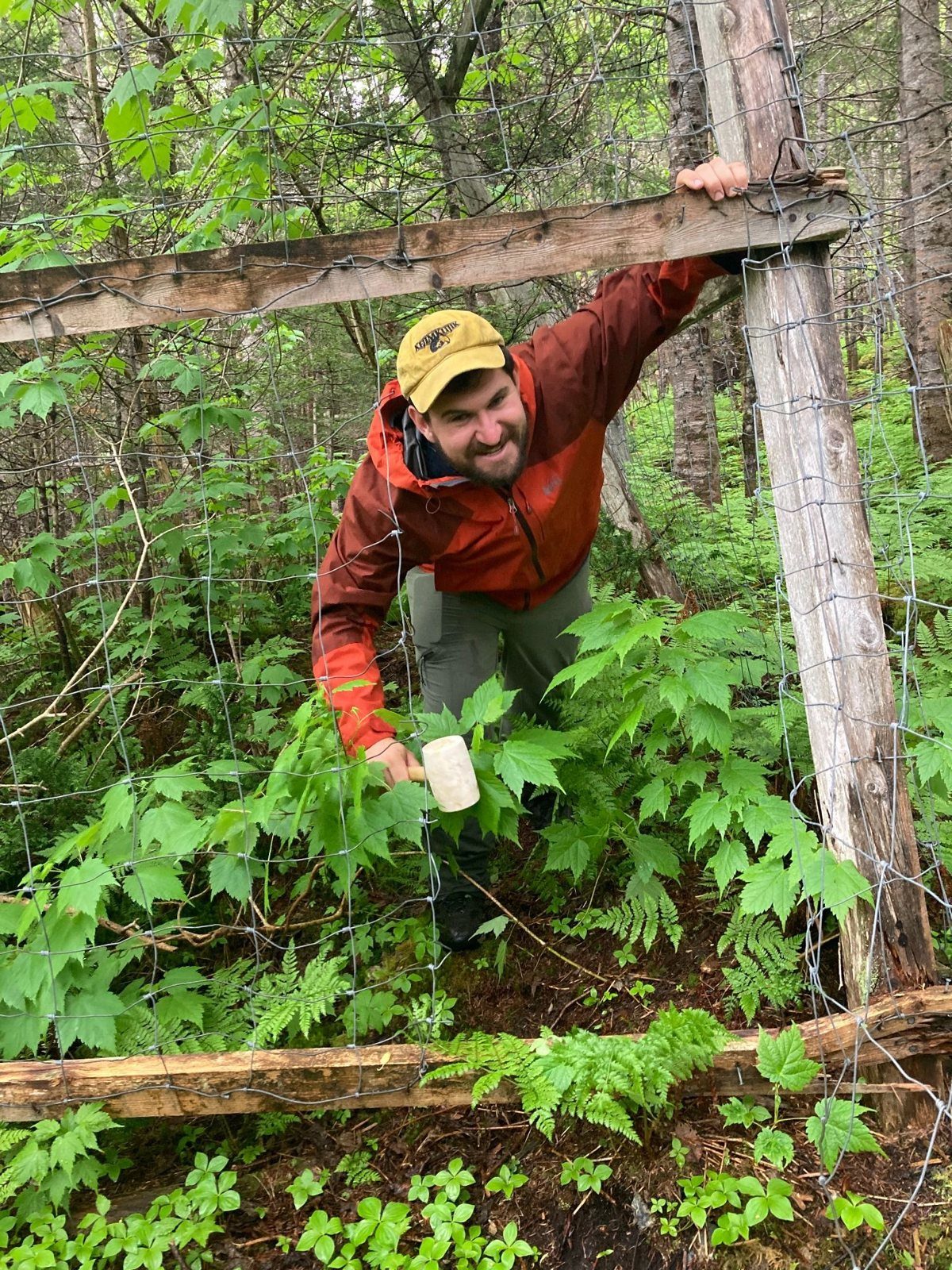
Much of my forest work concerns the condition of individual trees and how forests respond to disturbance and environmental change.
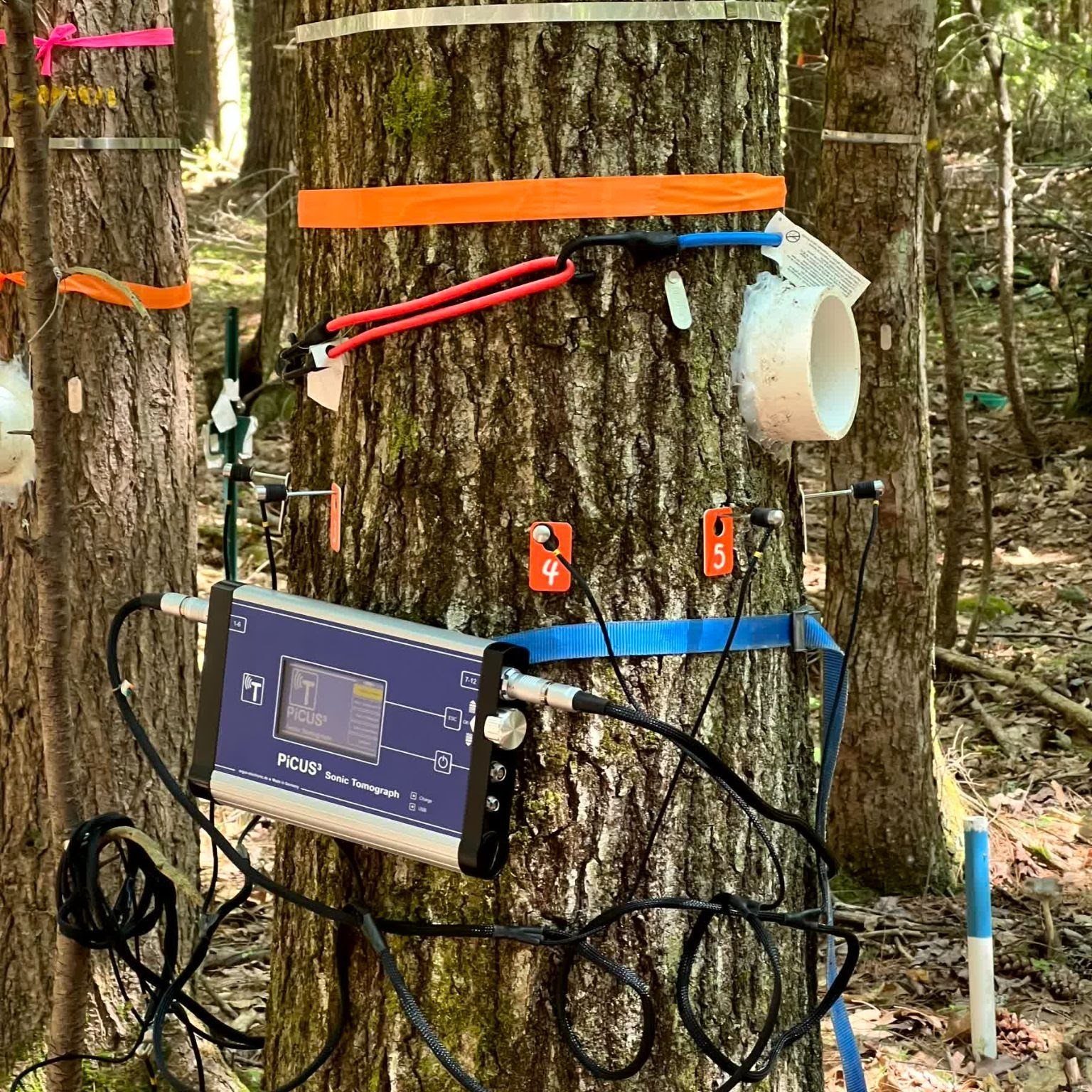
Decay inside living trees is common but hard to see. Using sonic and electrical resistance tomography, I image internal decay without cutting trees down, to ask how widespread it is, where it concentrates, and what it means for carbon stocks and gas production. I also study beech leaf disease in New England, including whether infected trees die by exhausting their carbohydrate reserves.
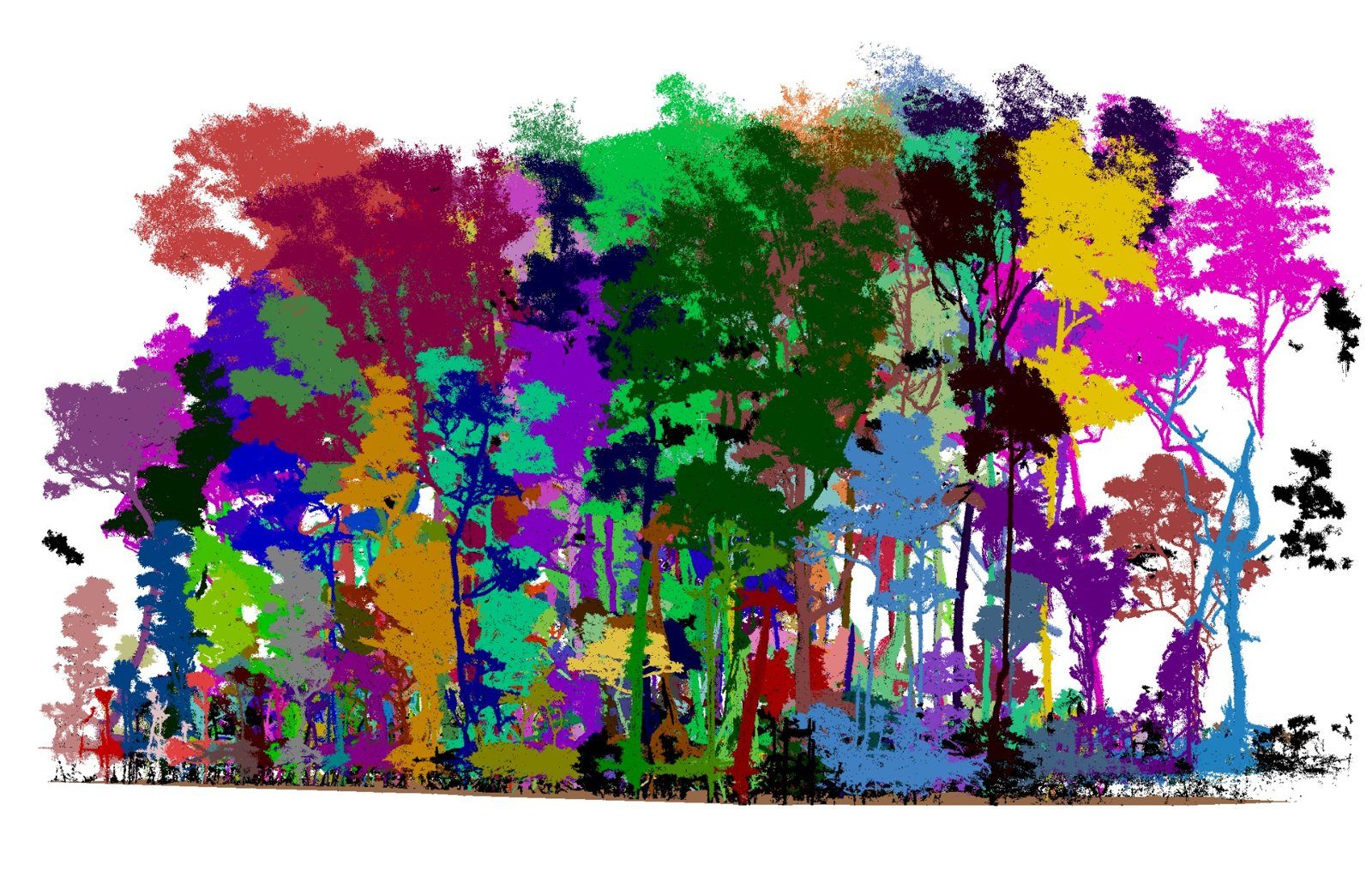
Bark and branches are habitat for microbes, epiphytes, and animals, and the interface across which trees exchange gases with the atmosphere, yet their total area is rarely measured. I’ve written about woody surface area as an ecosystem property in its own right.
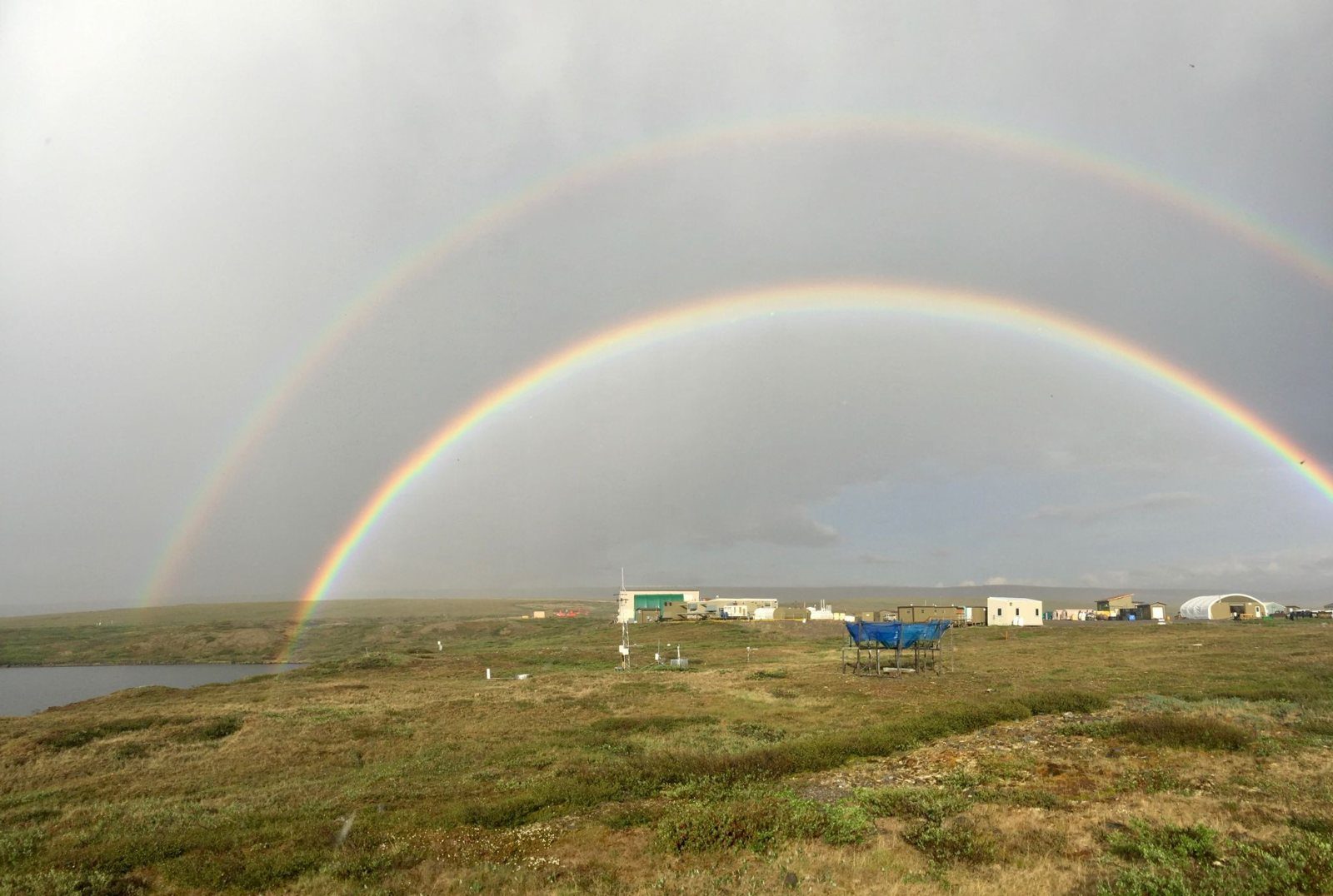
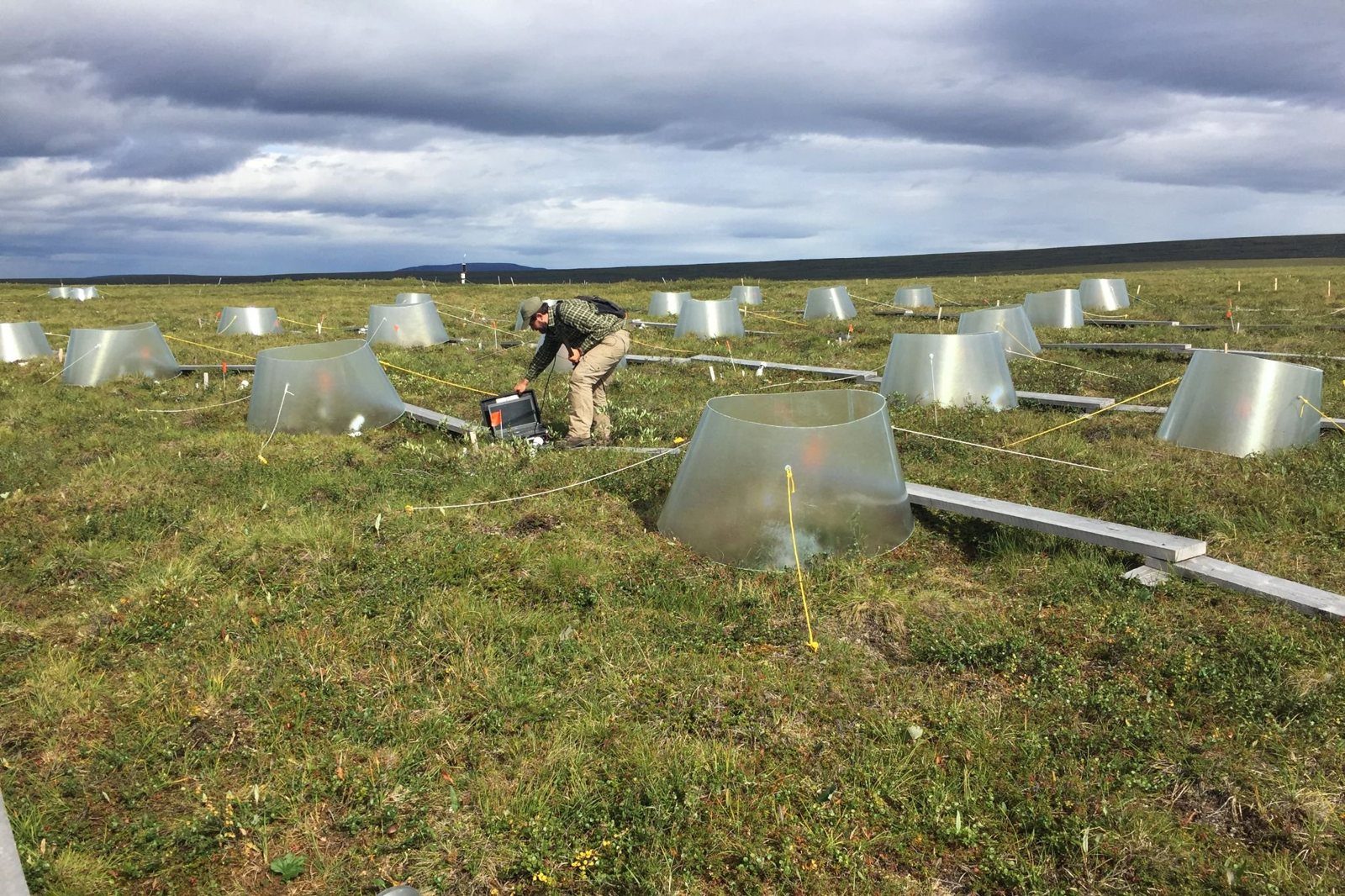
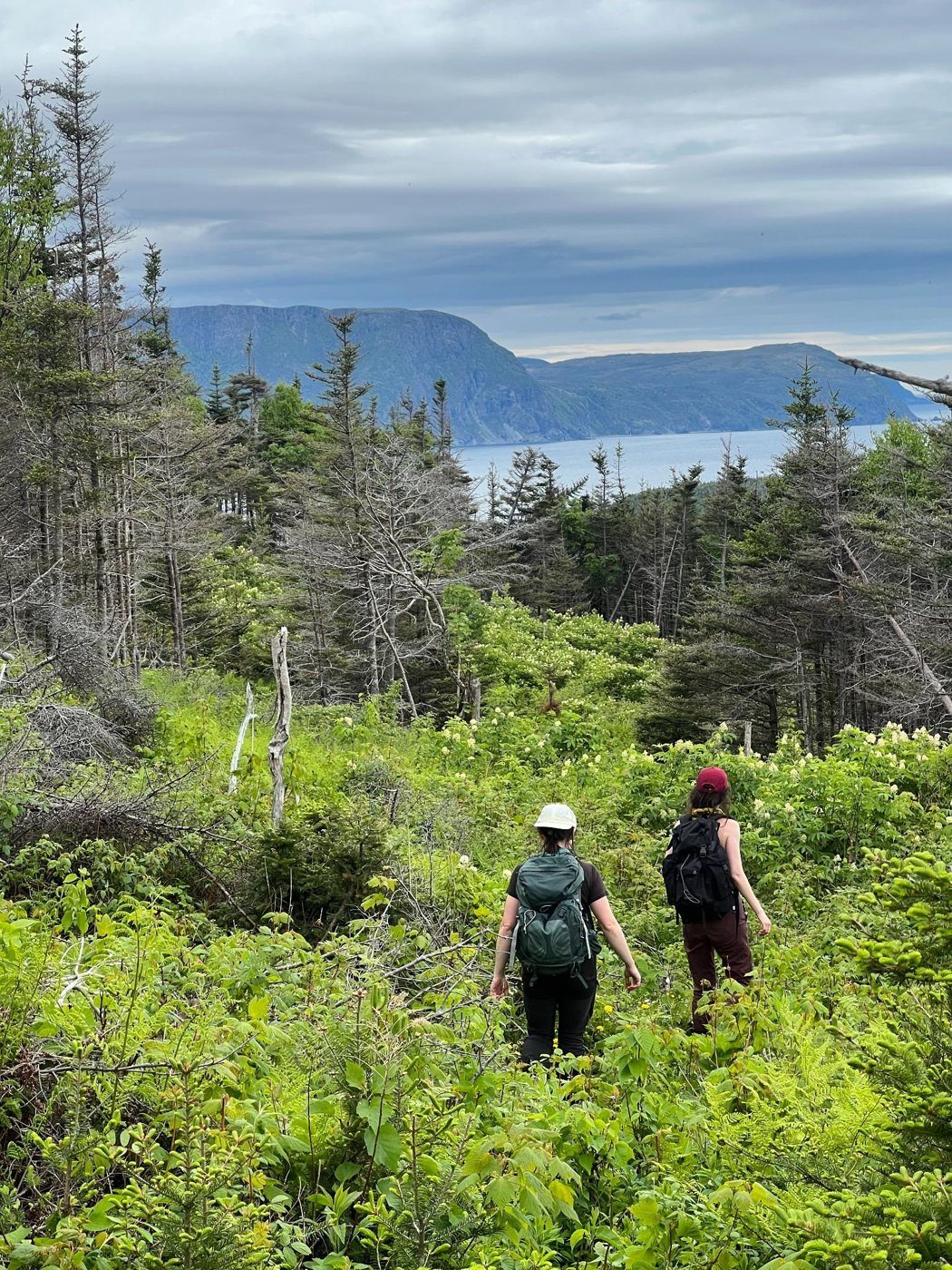
In Newfoundland, I collaborate on how moose browsing and canopy disturbance shape boreal forest regeneration and carbon storage. With Harvard Forest colleagues, I reviewed how extreme precipitation affects temperate forests during leaf-out, peak growth, and senescence. Earlier work followed change along gradients: Arctic sedges under warming and drying, nitrogen cycling from city to countryside, and silicon and carbon moving from soils to rivers.

Measurement & Scaling
Low-cost automated chambers, and scaling fluxes from stems to forests.
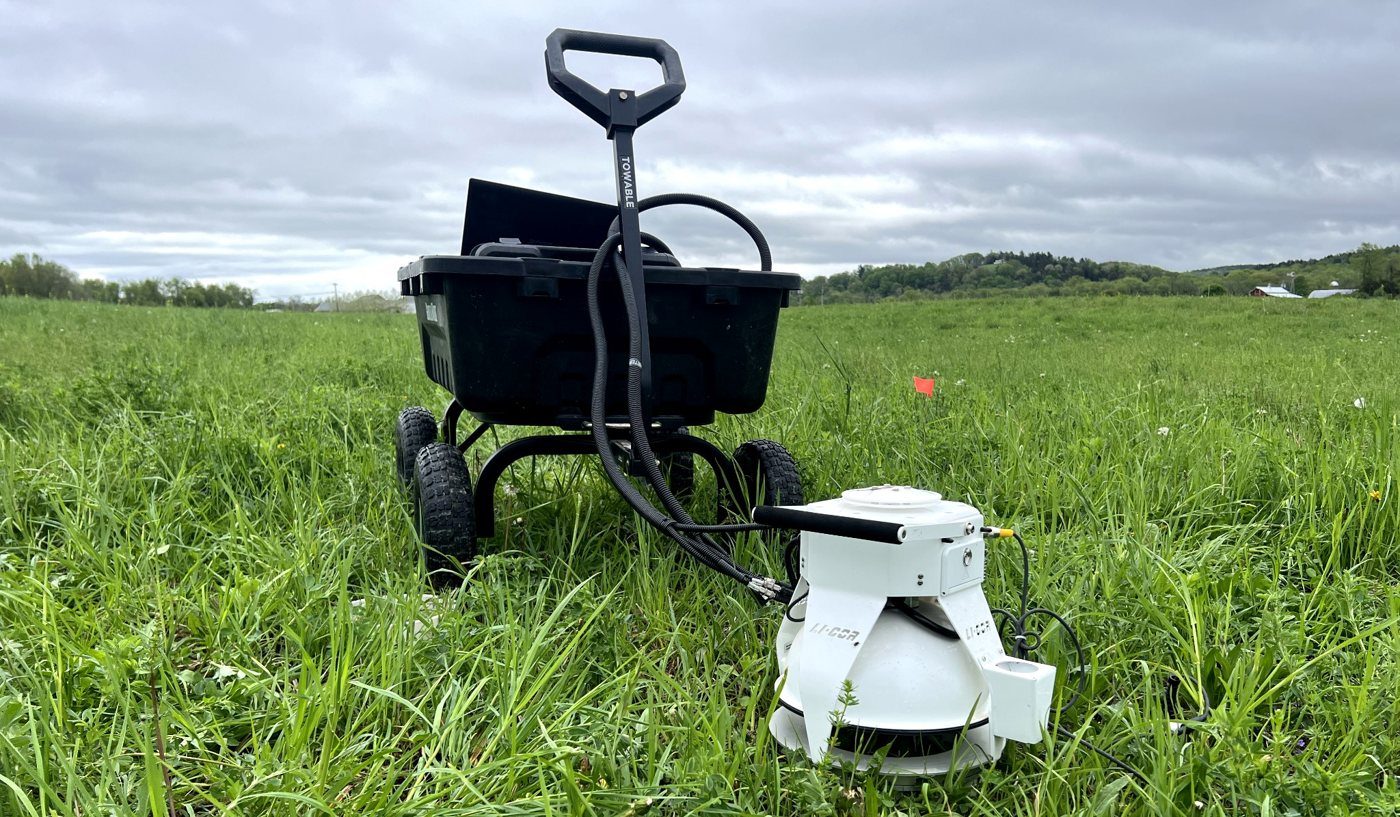
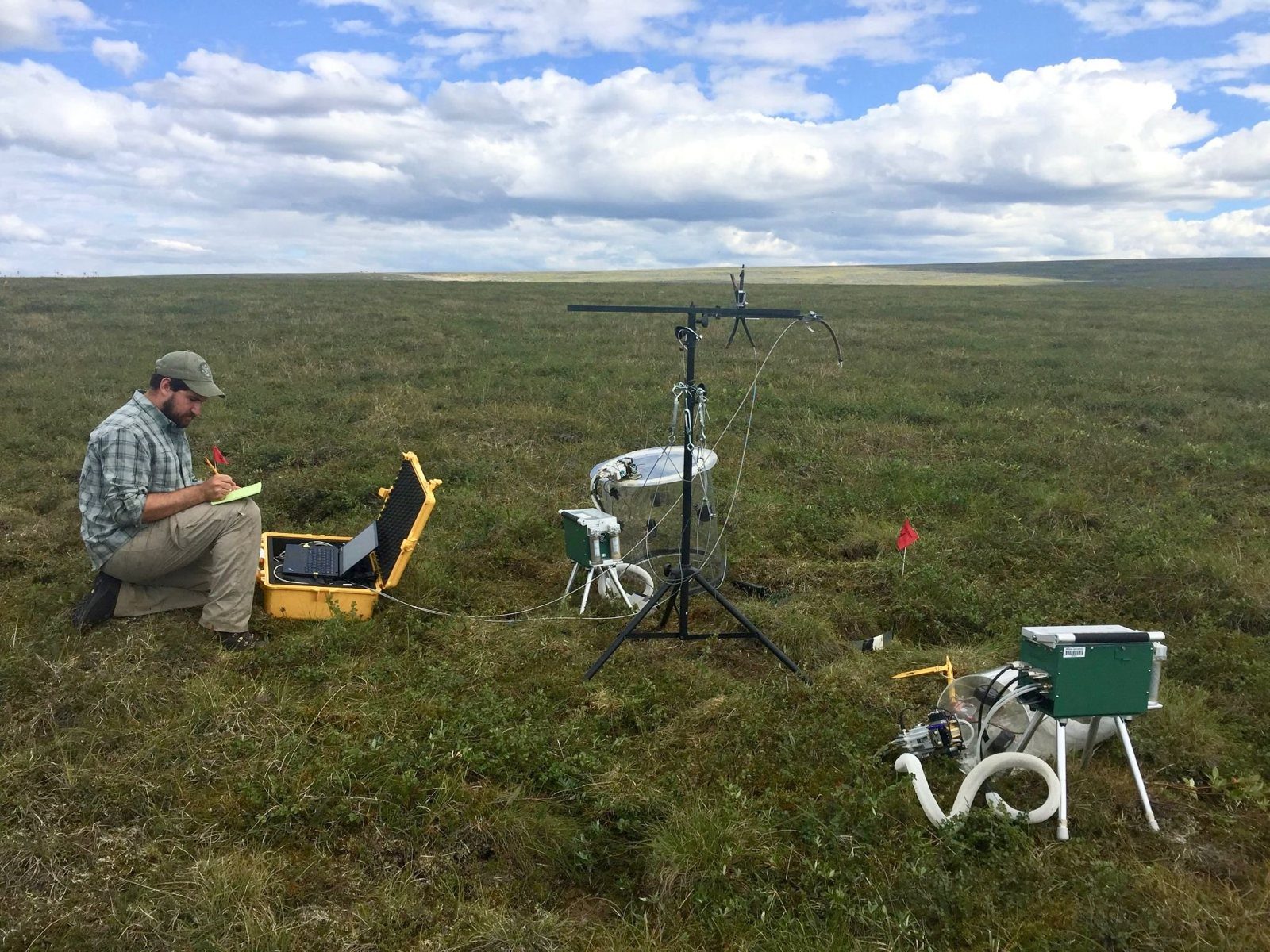
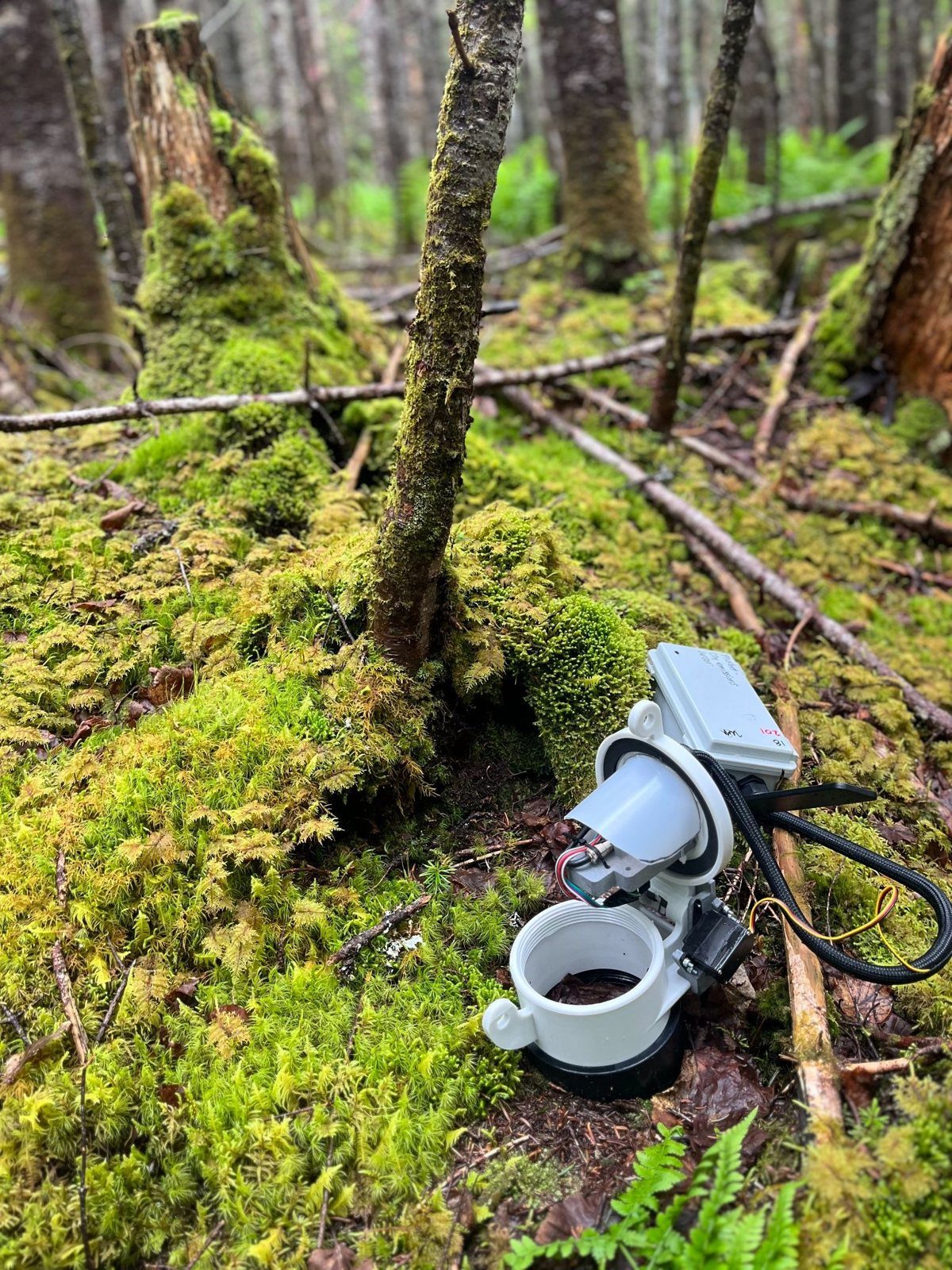
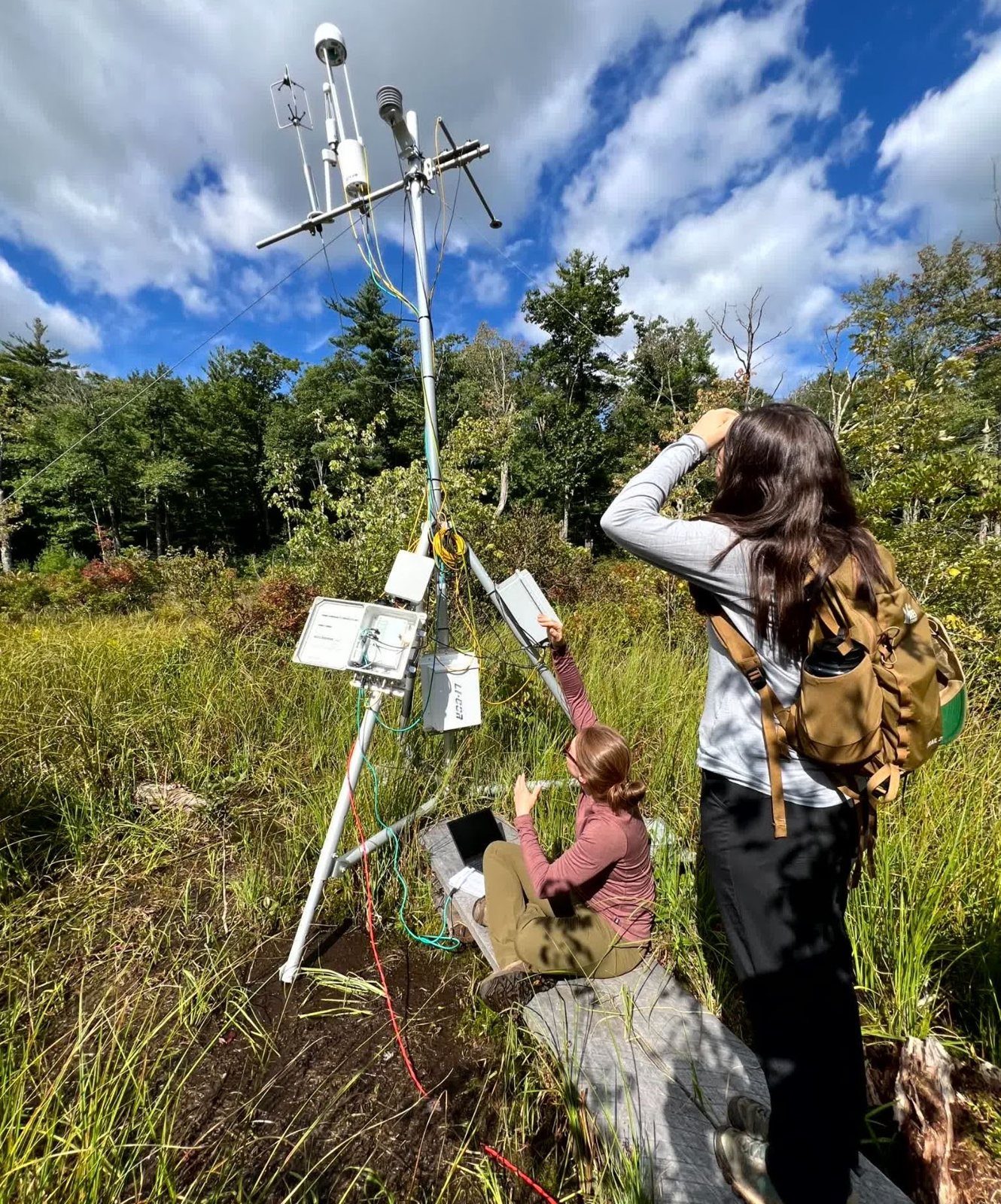
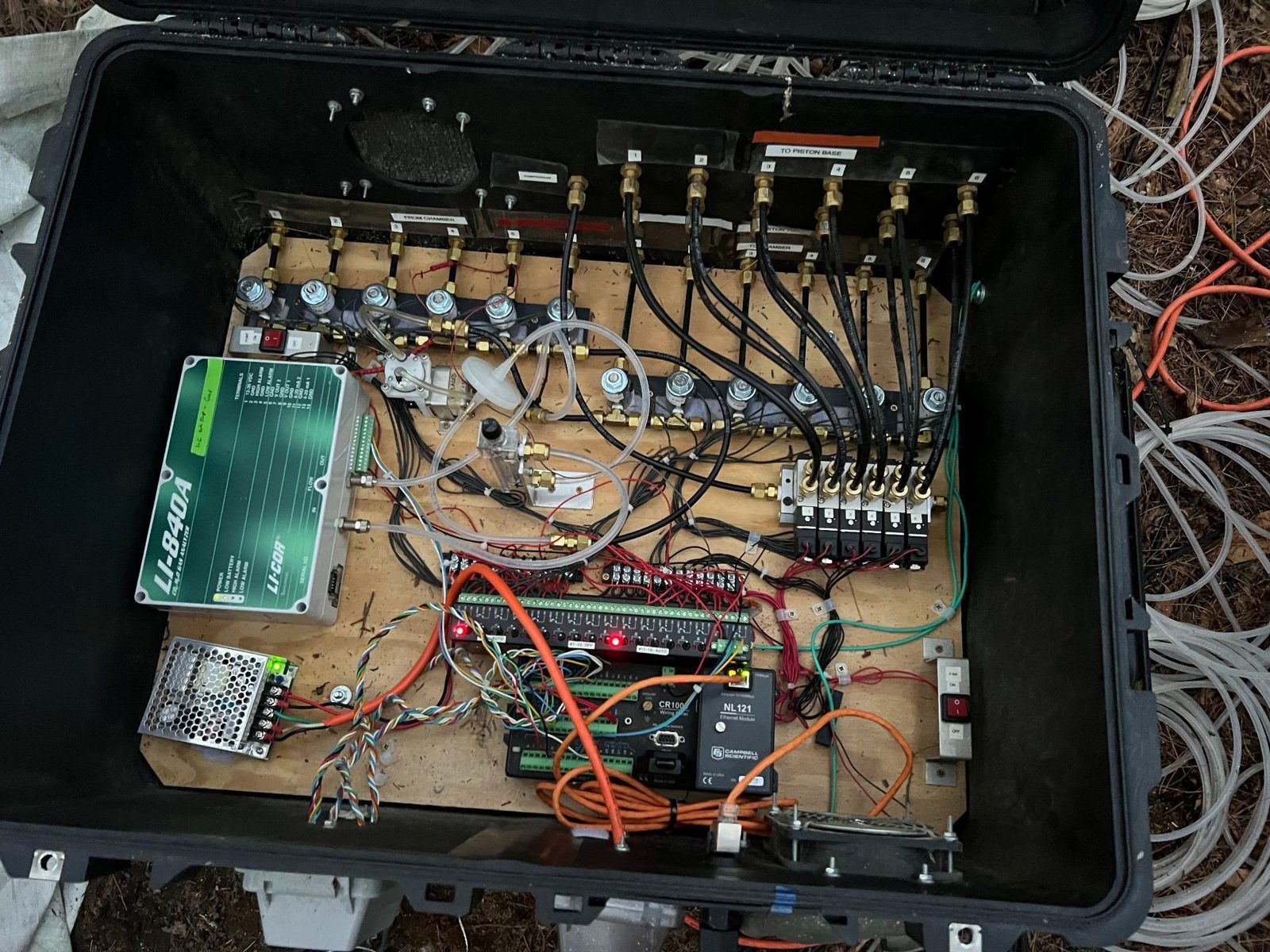
Most flux measurements come from a few expensive instruments at a few sites. I build cheaper, automated ones so that fluxes can be measured in more places, more often, and from surfaces that are usually skipped. With collaborators at UC Santa Barbara and Yale, I helped develop Fluxbots, open-source autonomous chambers that run in arrays for continuous soil CO2 monitoring across a landscape, and calibrated the low-cost sensor they depend on. For methane and nitrous oxide, I extended the design into automated chambers that connect to precision analyzers and mount on stems, in canopies, and over water. These are running at Howland Forest. I also work on how small fluxes near detection limits should be processed and reported.
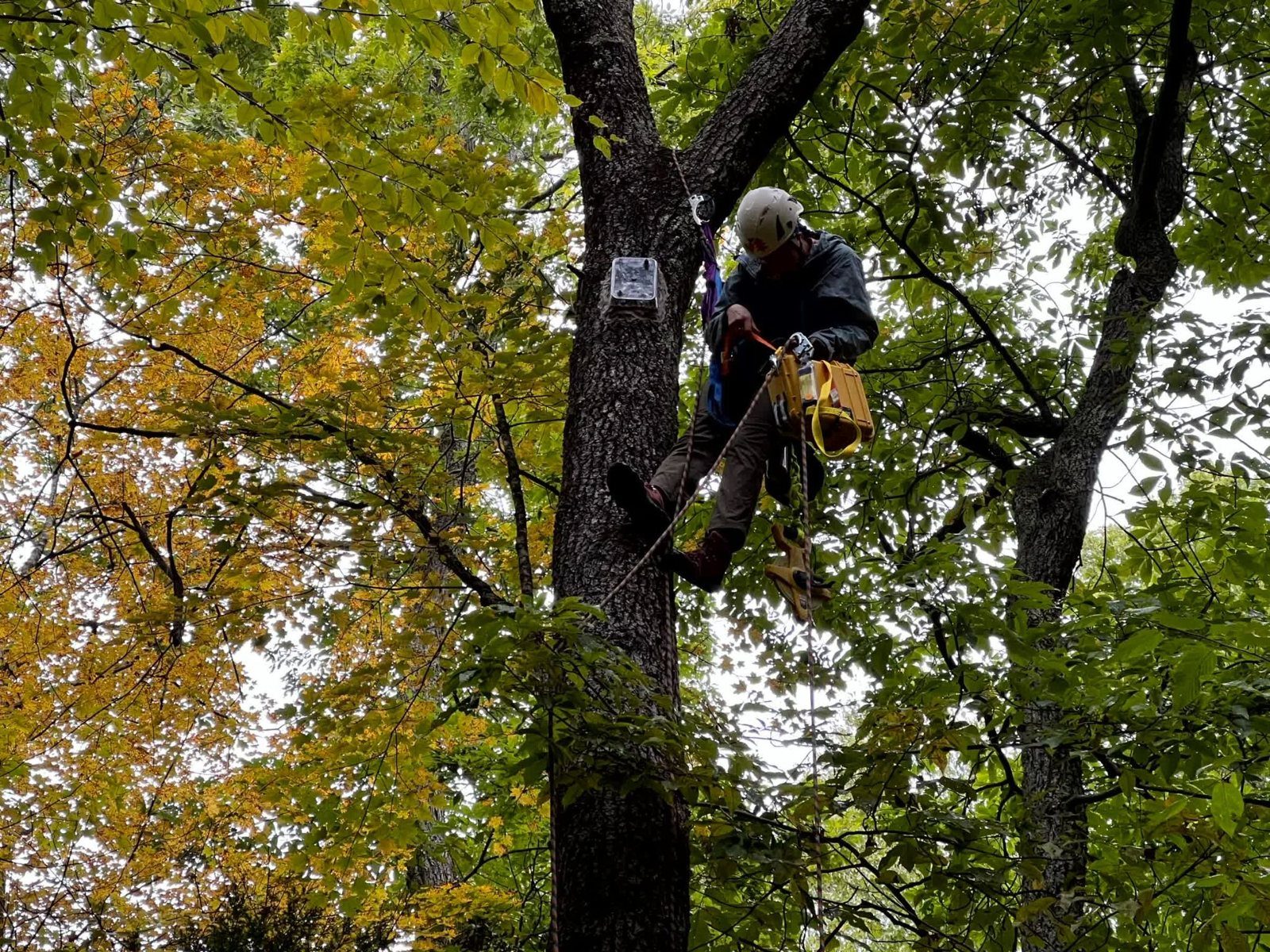
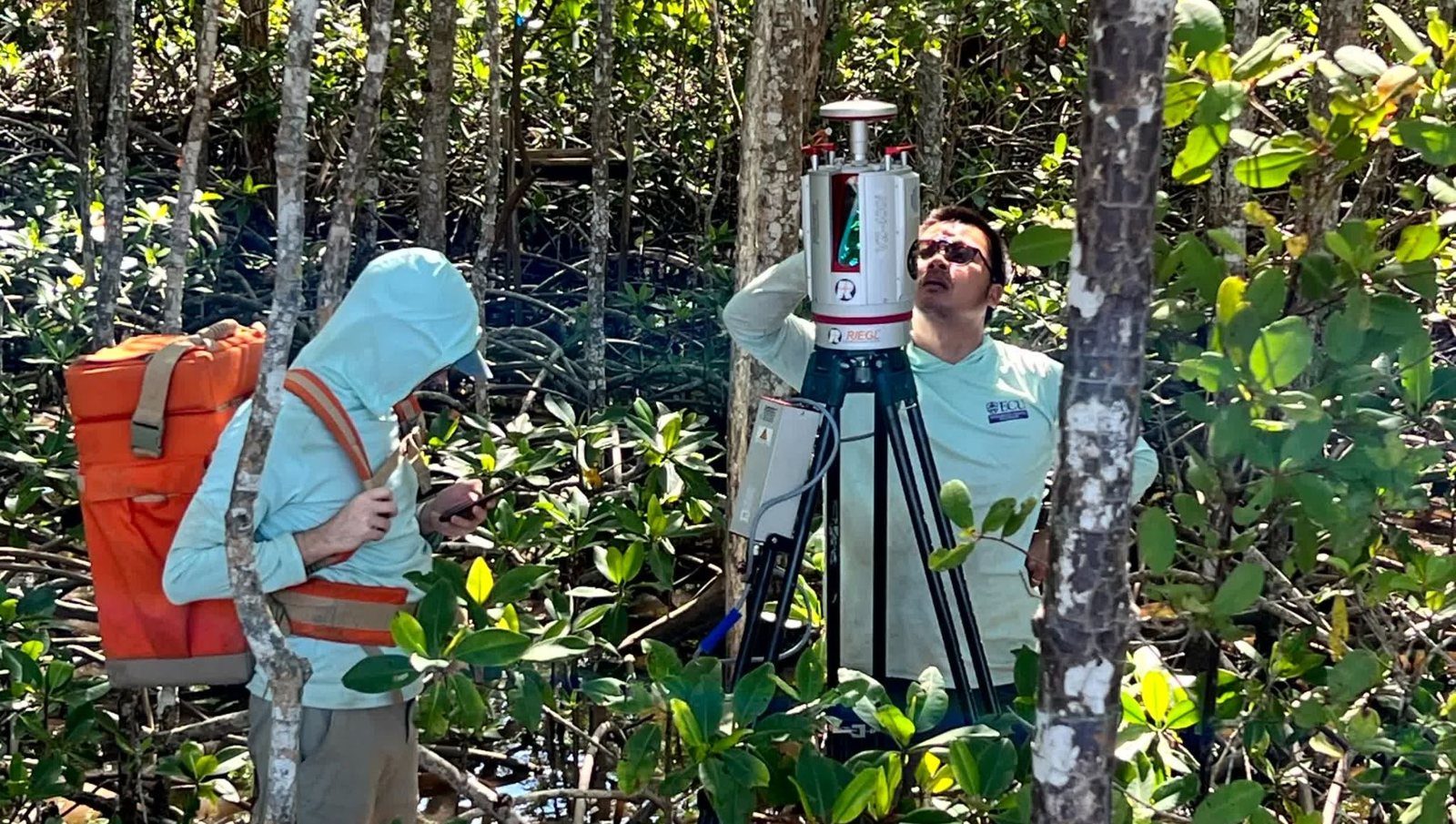
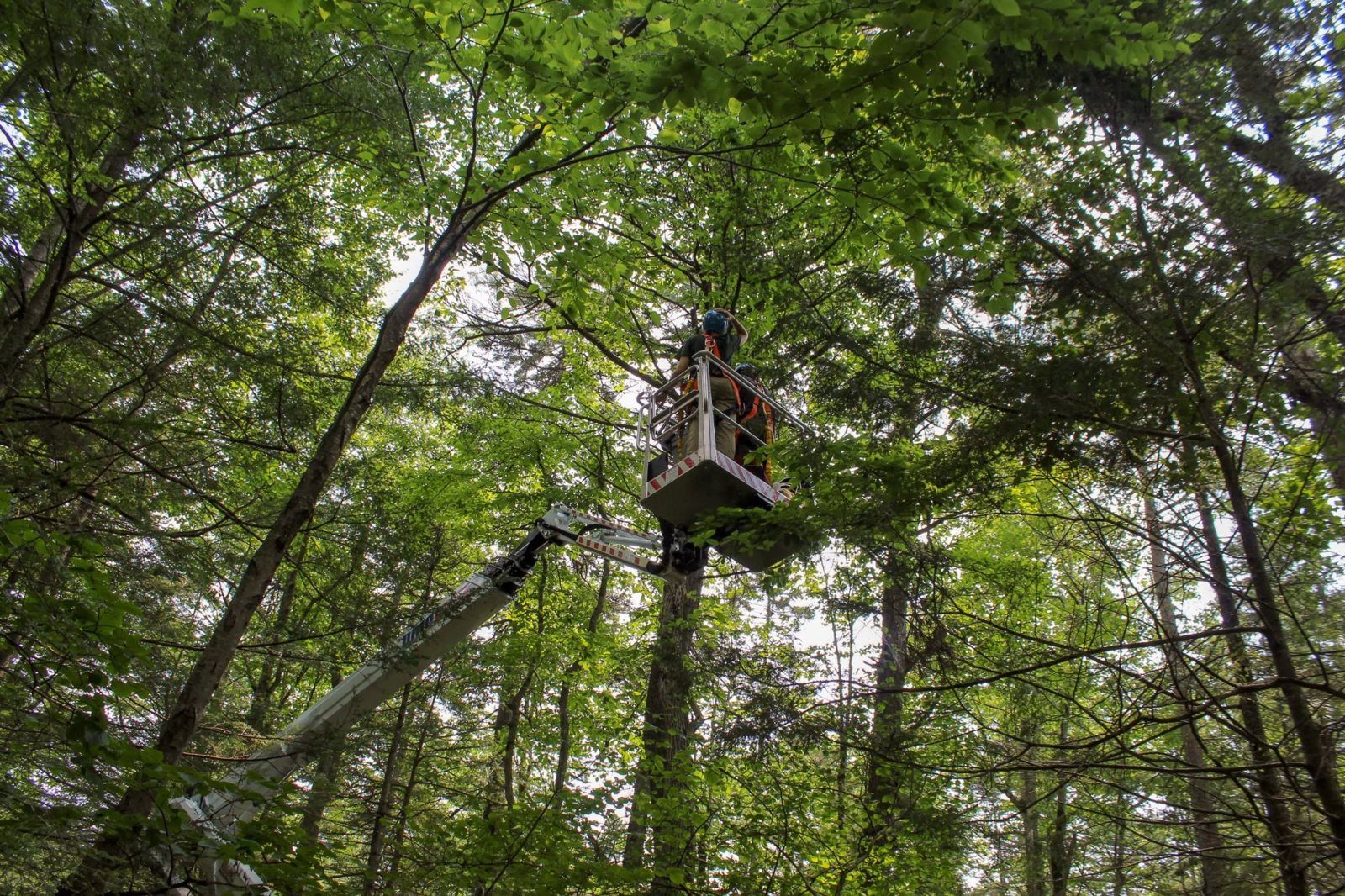
Scaling stem fluxes to a forest requires knowing how much surface there is and how fluxes change with height. I measure fluxes at height with professional climbers, use terrestrial laser scanning to quantify woody surface area, and compare chamber-based estimates with tower measurements through the Flux Gradient Project at NEON sites and a global synthesis of tree stem methane data.

Ecosystems & Climate Solutions
Greenhouse gas trade-offs in managed ecosystems, carbon credits, and natural methane uptake.
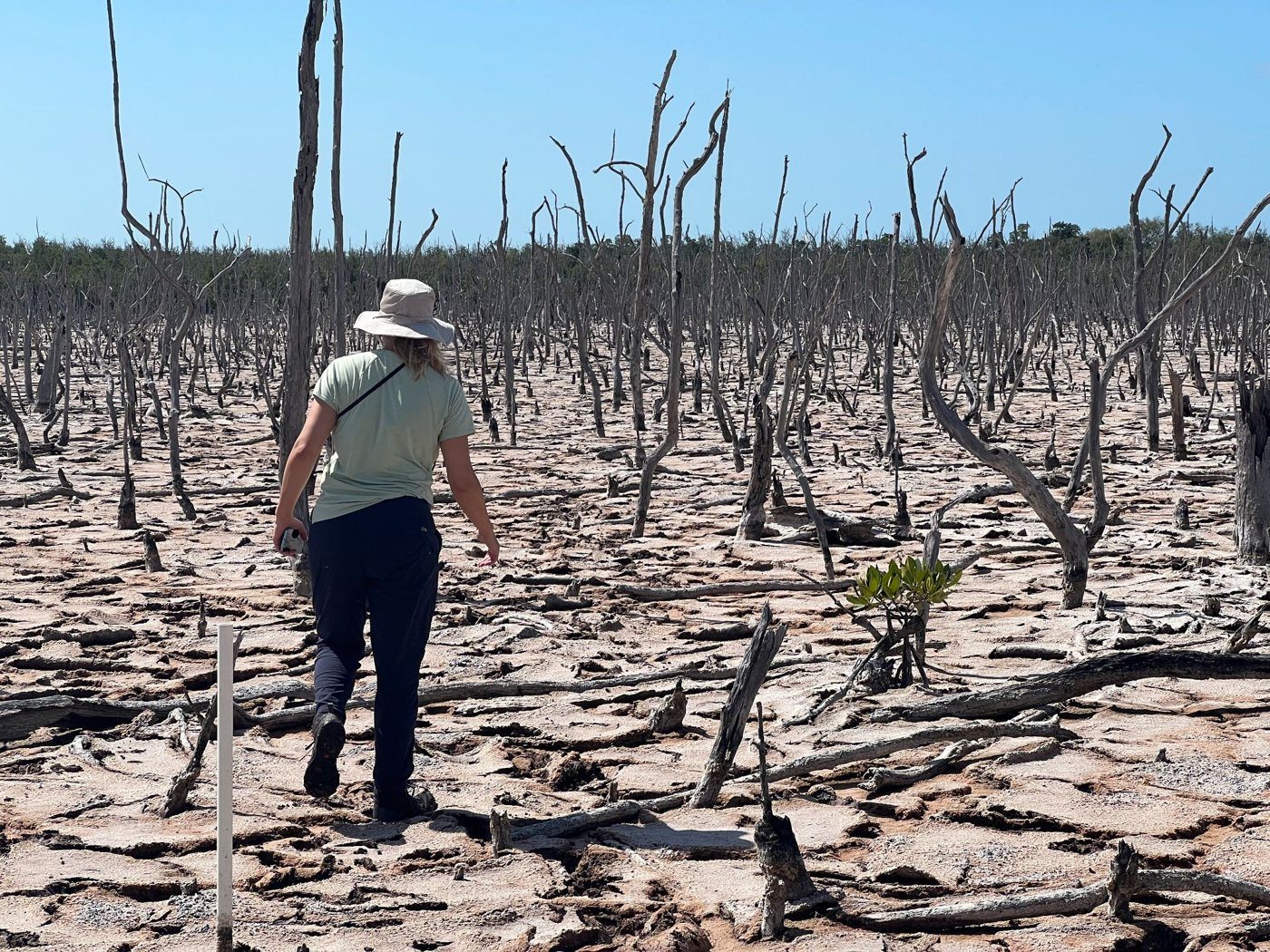
Forests, wetlands, and farms are increasingly managed and credited for climate benefits, but the accounting is usually done in carbon alone. Methane and nitrous oxide can offset part of the carbon an ecosystem takes up, and restoration, water management, and land use can shift the balance either way. My work in the Everglades and on dairy farms measures these trade-offs directly. With the Yale Applied Science Synthesis Program, I’ve examined what makes a high-quality forest carbon credit.
Ecosystems also remove methane from the atmosphere, through upland soils and methane-oxidizing microbes on bark and wood. Whether that uptake can be protected or enhanced is an open question. Through CarbonFix’s Boreal Biosequester effort, I’m helping assess under what conditions boreal forests might be managed as stronger methane sinks.
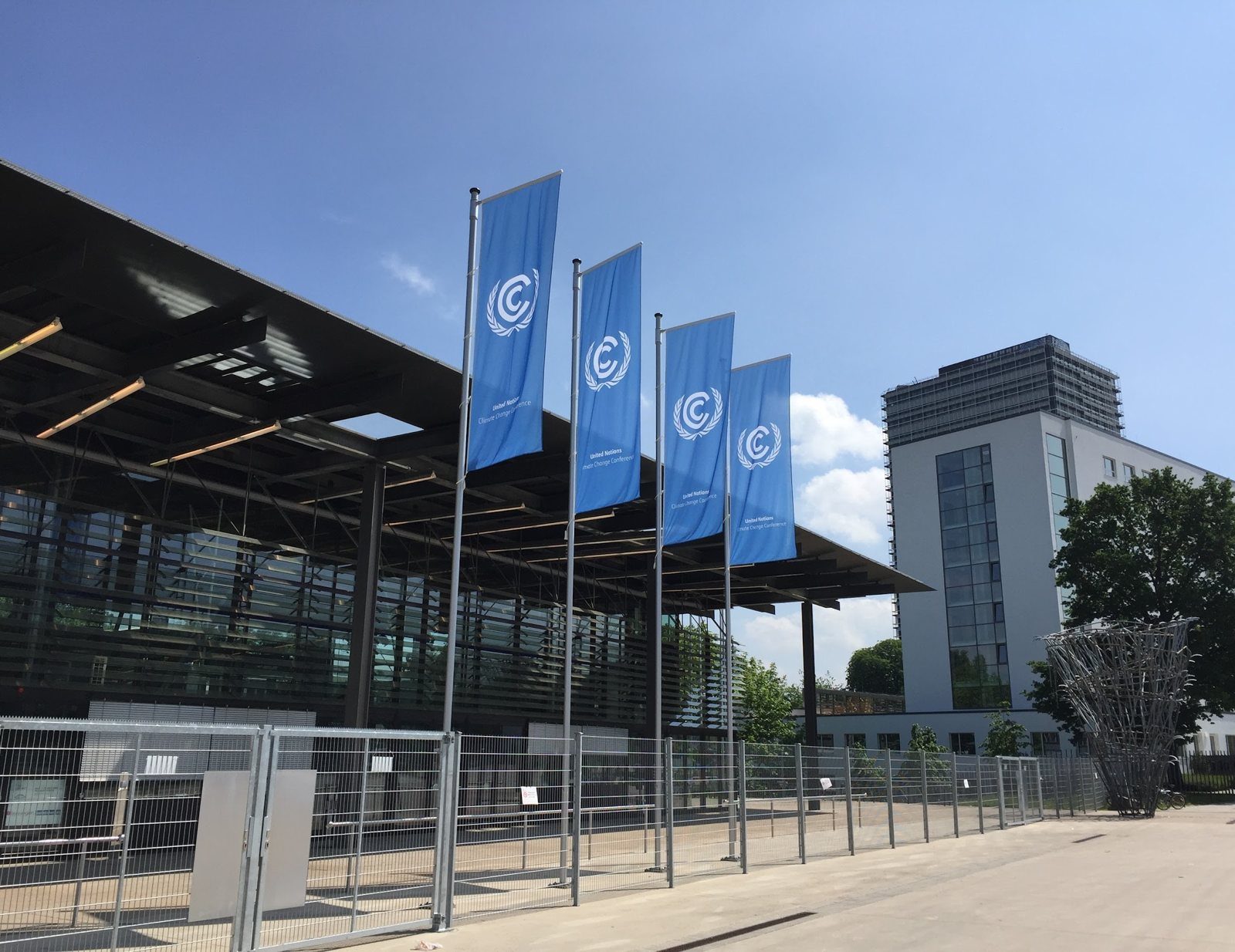
Before graduate school, I worked on international climate finance and loss and damage under the UNFCCC.